

Home Feed
Home
Search
Search
Add Review, Blurb, Quote
Add
Activity
Activity
Profile
Profile
#colonial
review
jploves2read
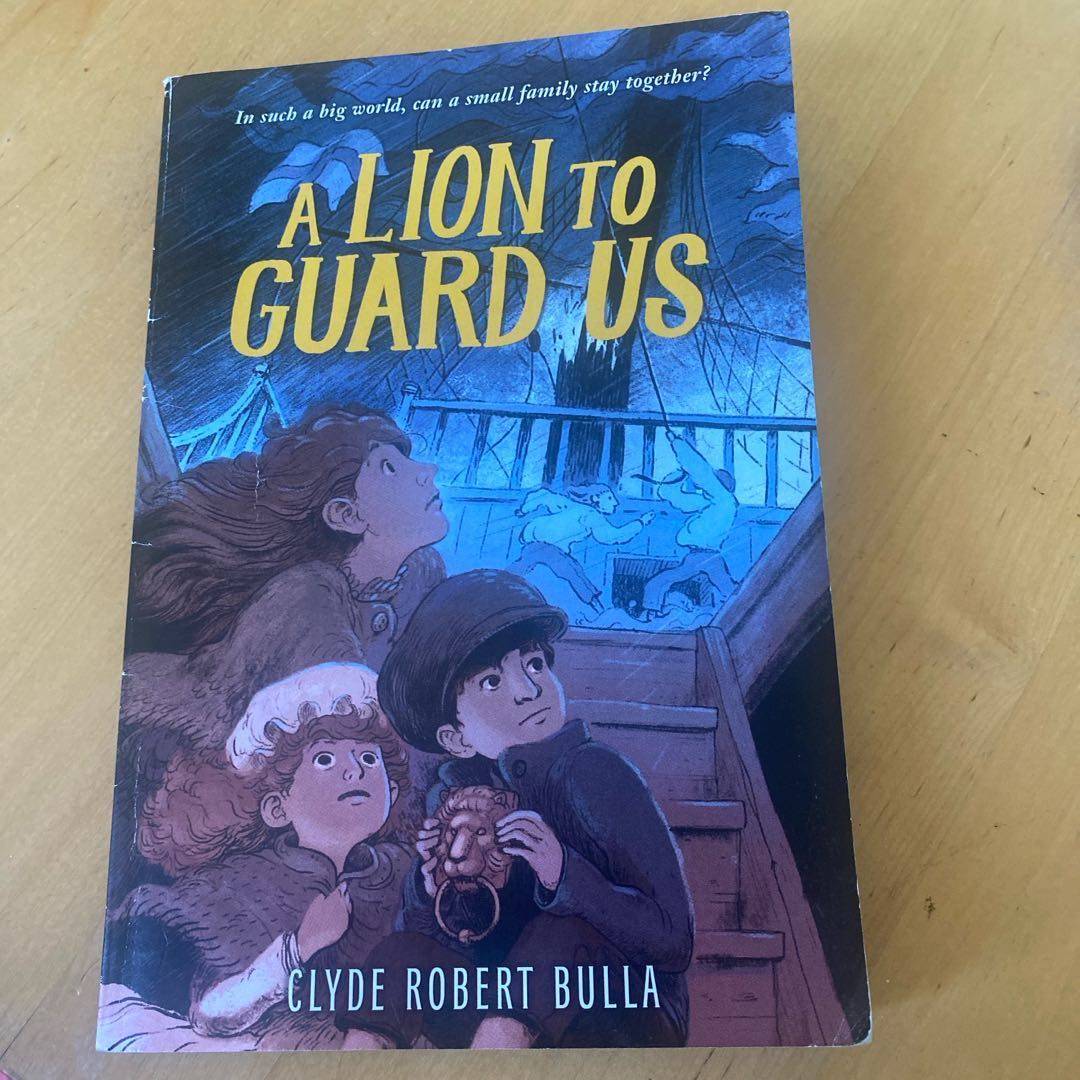
A Lion to Guard Us | Clyde Robert Bulla
This post contains spoilers
show me
Pickpick

As a class they loved the book. We discussed how the ending did not go exactly as we expected but we loved that the family was reunited. (Spoiler)

blurb
jploves2read
A Lion to Guard Us | Clyde Robert Bulla
post image

I‘m currently reading this to our P 4 class. It fits into Social Studies (the discovery of Bermuda) and Language (reading and writing Historical Fiction). They are so into it! I told them I might not be able to read to them and they got so upset! So now I have started something. I can see I am going to be reading to them until June.


blurb
Kshakal
post image
Eggs ❤️🗽💙 6mo
28 likes1 comment
quote
Vivlio_Gnosi

"The rhetoric of protest unsupported by the means of enforcement amounted to little more than bombast."

#nonfiction #history #socialpsychology

blurb
Librarybelle
post image

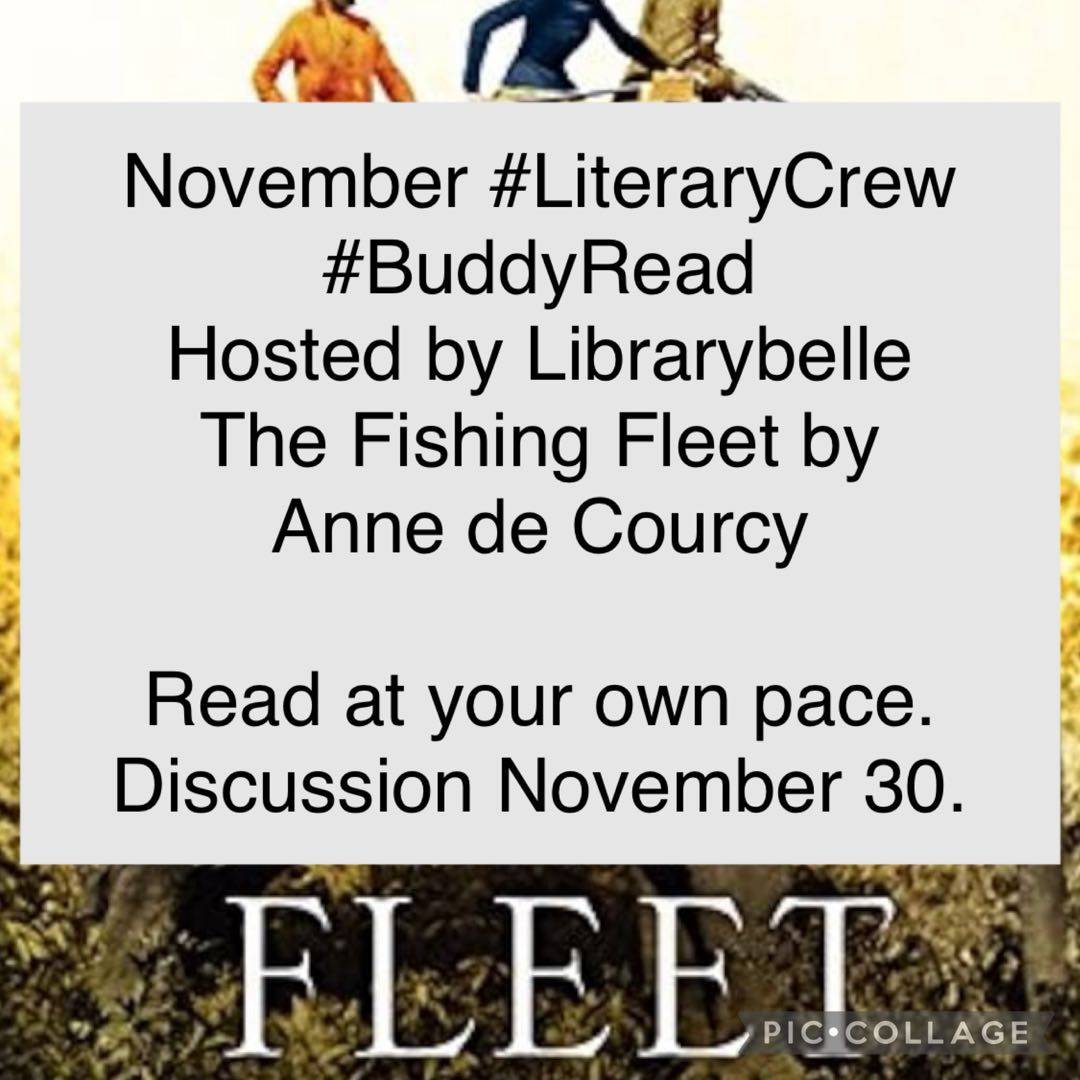
#LiteraryCrew discussion time! I have 5 questions posted as spoilers. These can be found on my feed, the book‘s feed, or searching the group hashtag.

Please feel free to visit the questions whenever you like. This time, there are several links for more information.

December‘s book is Kaia Alderson‘s Sisters in Arms. The official post will go up tomorrow!

julieclair Still reading. I‘m enjoying it, but finding it slow going. 13mo
Librarybelle I agree, @julieclair . I‘m still reading it too, and it‘s not a fast read. 13mo
37 likes2 comments
blurb
Librarybelle
This post contains spoilers
show me

5. I would be remiss not to mention the relations between British men and Indian women. As detailed by de Courcy, while the initial British occupation had looser laws and regulations, by the mid-nineteenth century, the British strictly forbade couplings.

However, we all know what can happen...

The lasting legacy of Anglo-Indian descendants is complicated. Article from the Royal Historical Society linked below. #LiteraryCrew #BuddyRead

6 likes1 comment
blurb
Librarybelle
This post contains spoilers
show me

4. de Courcy details the climate, vegetation, and bugs (shudders!) that faced the British women upon arrival. Moldy shoes within 24 hours! I cannot imagine (I am not a fan of the heat and humidity).

Victorian social mores also restricted women from adopting cooler clothing. The part about flannel was shocking.

de Courcy also mentions coping mechanisms used. Any stand outs for you? #LiteraryCrew #BuddyRead

blurb
Librarybelle
This post contains spoilers
show me

3. de Courcy uses diaries and letters from women who made the journey to India as well as military and government men stationed in India. Did any story stand out to you? Anything surprise you? #LiteraryCrew #BuddyRead

blurb
Librarybelle
This post contains spoilers
show me

2. One of the criticisms regarding the scope of this book is de Courcy's focus only on husband-seeking aristocratic women. But, women traveled to India for other opportunities. Link to an article (hopefully not a paywall) in which an Indian news agency interviews another British author about her research into British women in India.

Focusing on the main point of this book, were you familiar with the “Fishing Fleet?“ #LiteraryCrew #BuddyRead

6 likes1 comment
blurb
Librarybelle
This post contains spoilers
show me

1. de Courcy's nonfiction account follows aristocratic women on their trek to British occupied India in the nineteenth and twentieth centuries.

First, let's look at the history of this time. How familiar are you with what is termed the British Raj?

Two sources to read: One looks at the British impact on India from an Asian studies standpoint, & the other is a brief article from the BBC. Links in comments. #LiteraryCrew #BuddyRead

5 likes1 comment