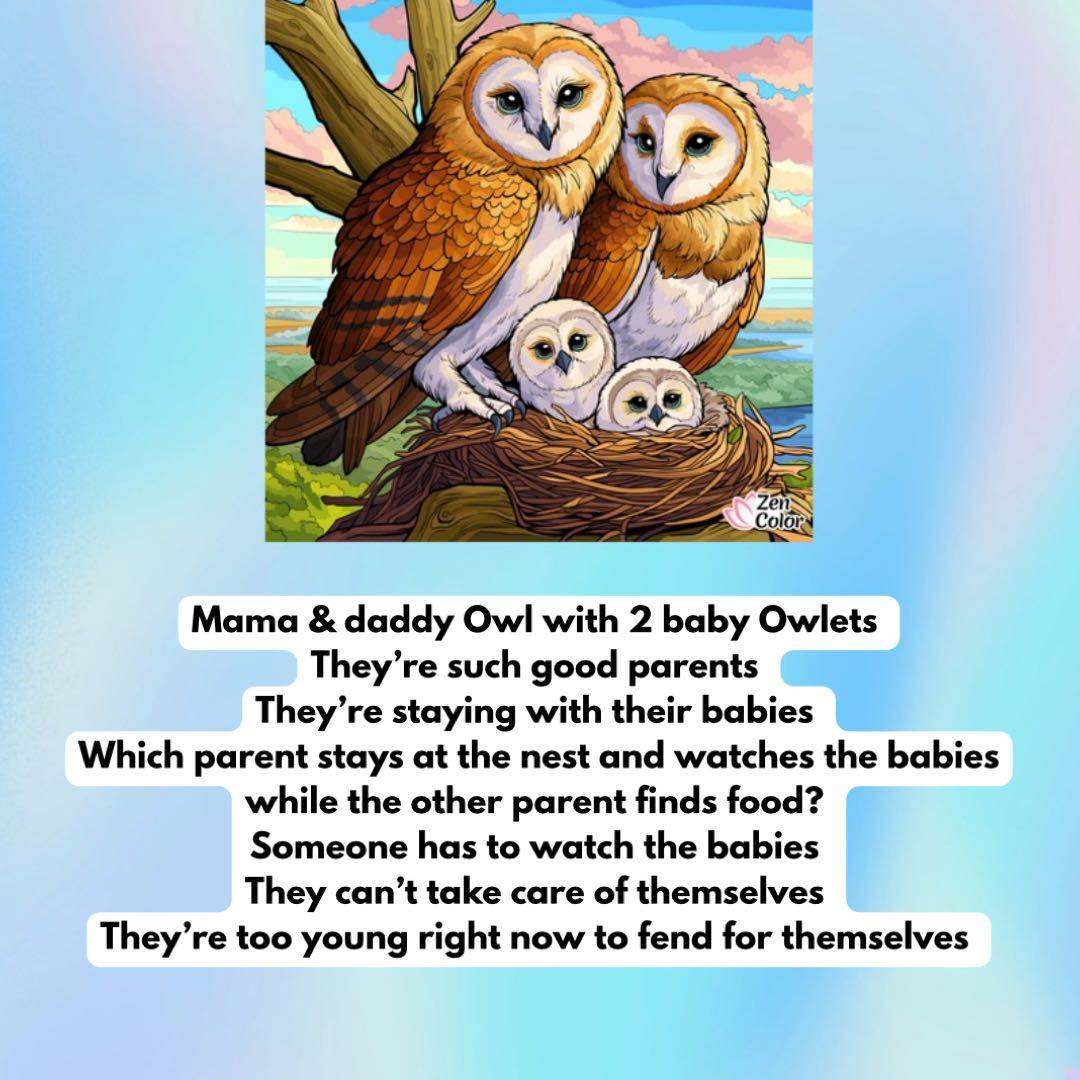


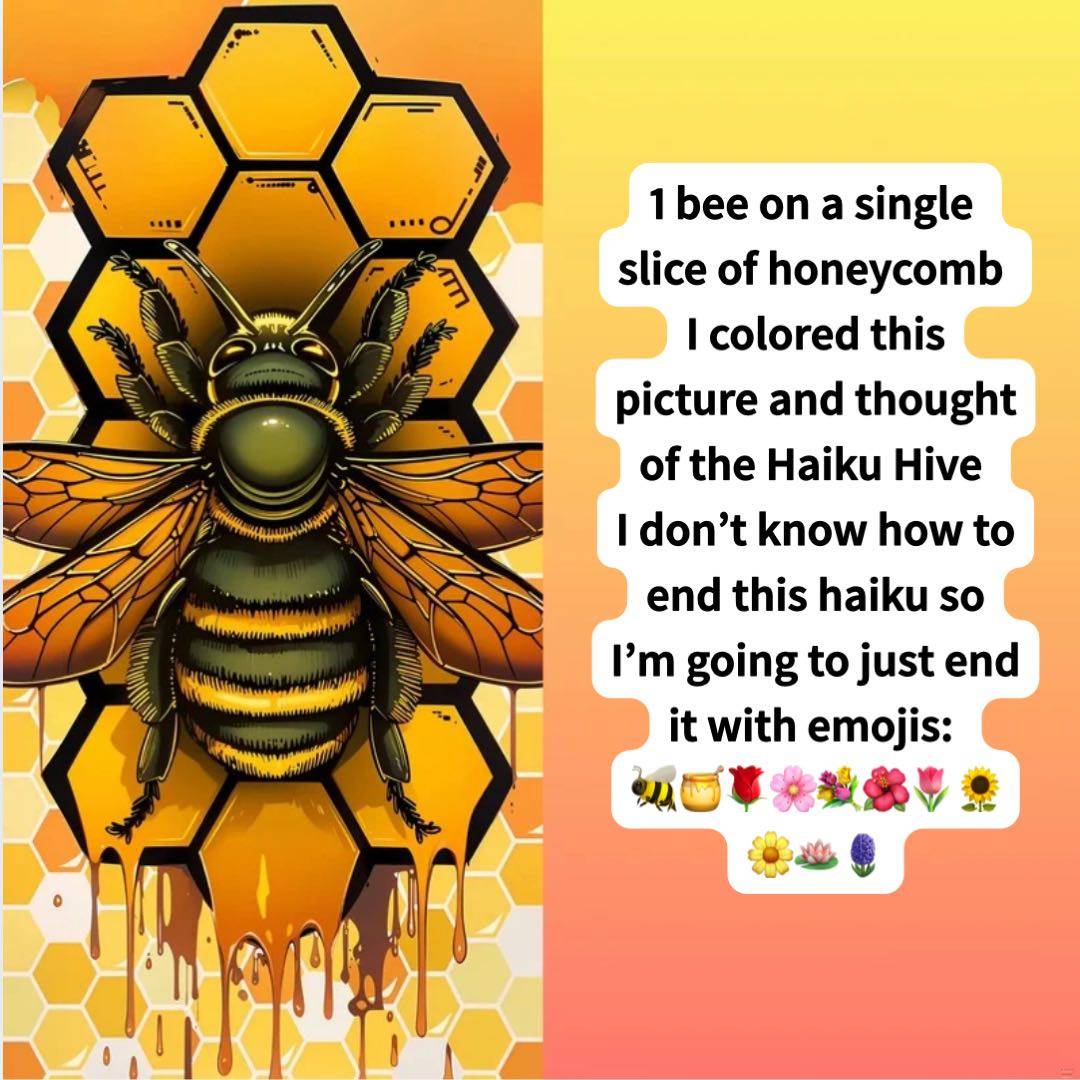
I colored this picture and wrote this #haiku for the #haikuhive.

I colored this picture and wrote this #haiku for the #haikuhive.

I colored this picture and wrote this about it.
#haiku #haikuhive

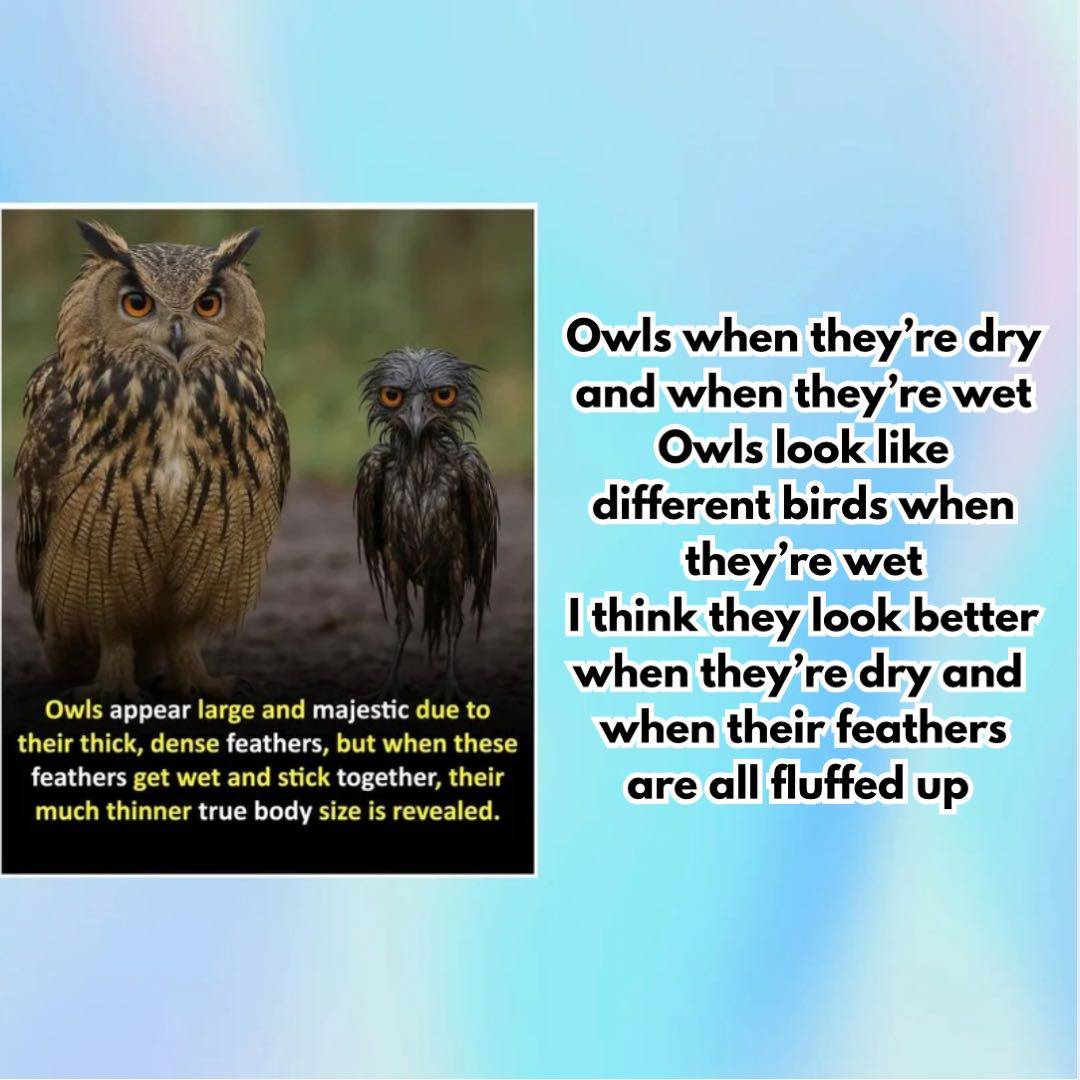
I found this picture on Facebook and wrote this #haiku about it.
#haikuhive

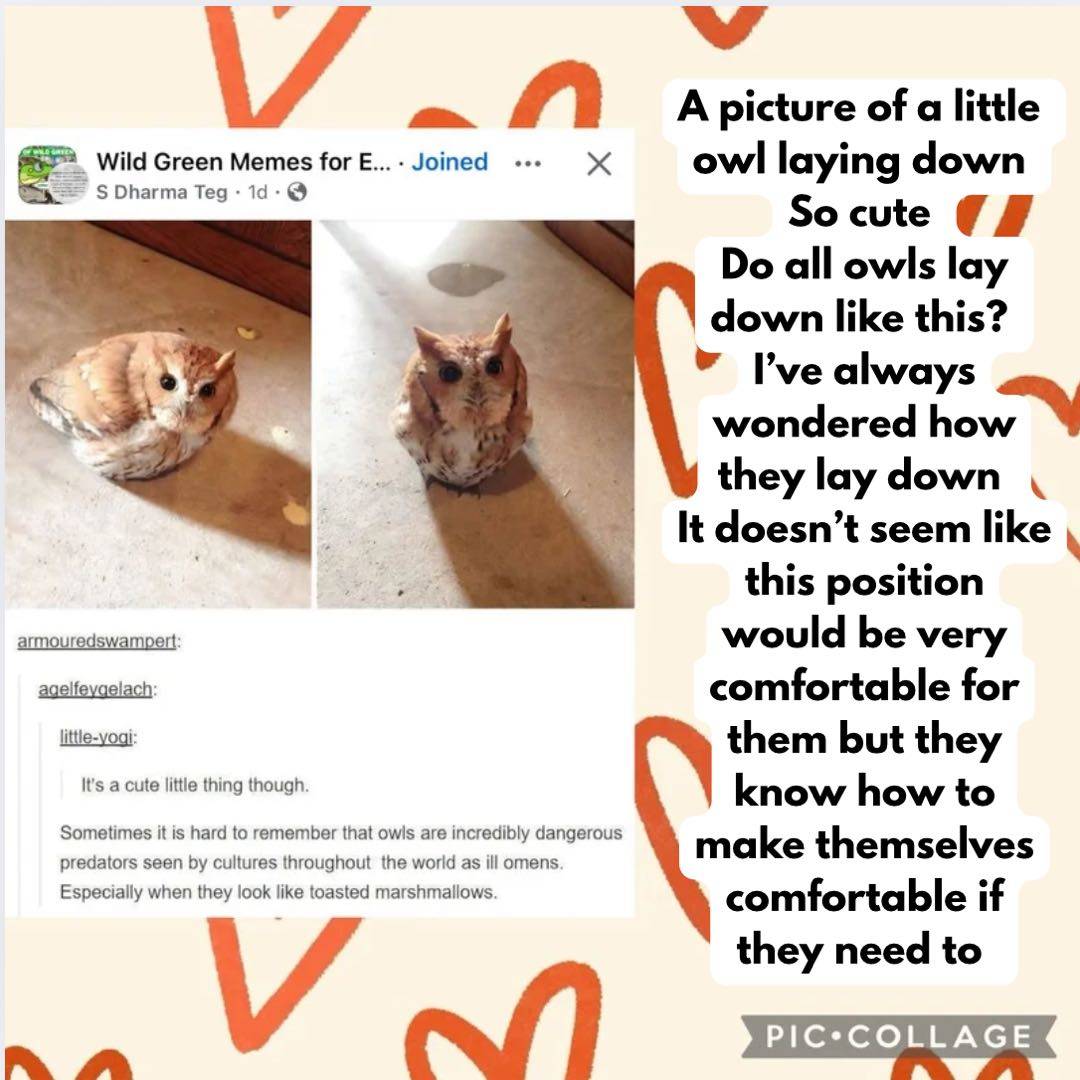
I found this picture on Facebook and wrote this about it.
#haiku #haikuhive

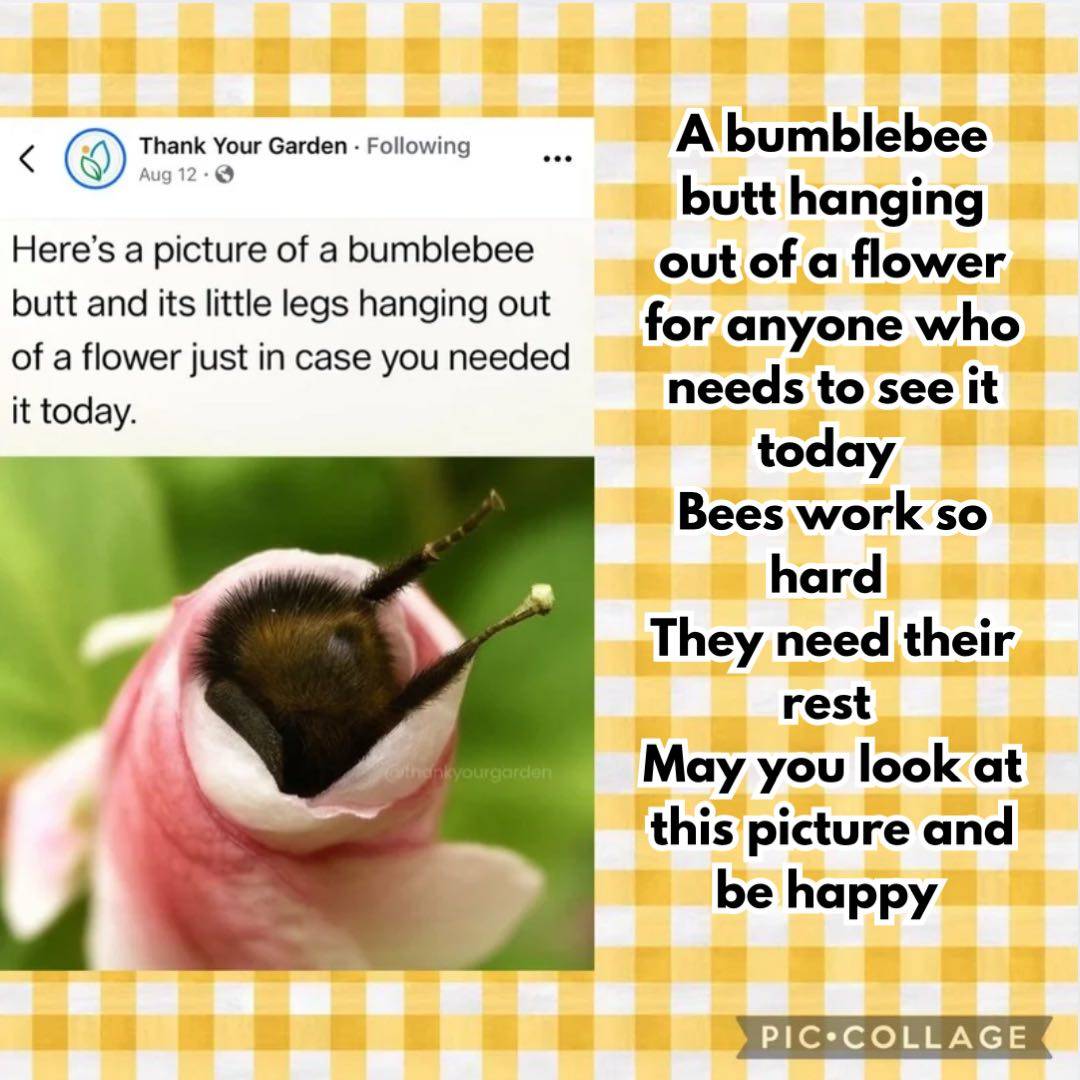
I found this picture on Facebook and wrote this about it.
#haiku #haikuhive

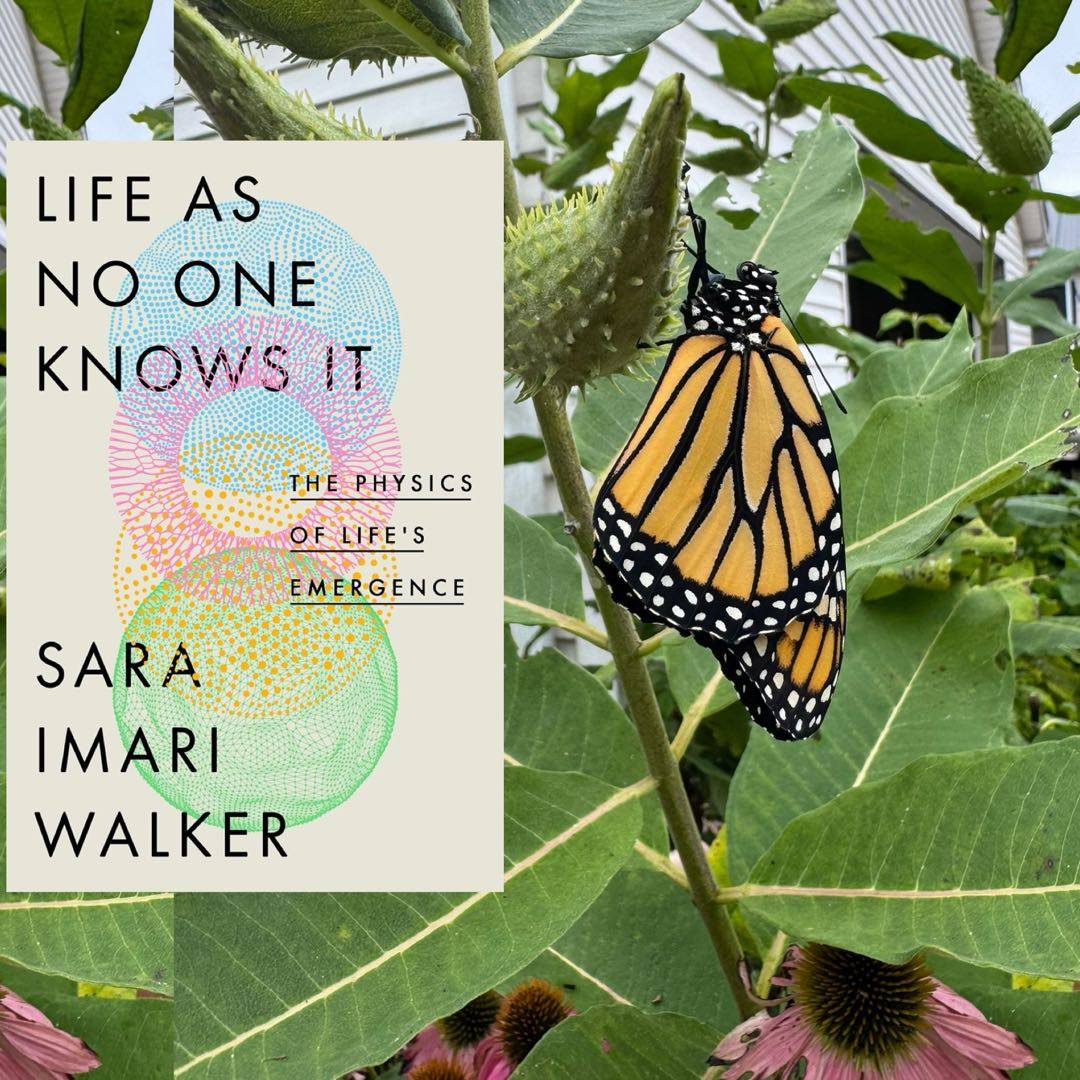
I love to listen to intelligent people muse on the beginnings of life. This one is from a physicist‘s perspective and my mind is altered each time I listen to these types of audiobooks. Do I understand it all? Oh, my no! But it doesn‘t dampen my enthusiasm. And I love to learn about the processes scientists/biologists/etc undertake in this field of study.

I orchestrated my read of this book to coincide with a trip to Galapagos. I also read Darwin's Voyage of the Beagle and Origin of Species beforehand. This all contributed to my enjoyment of this book.
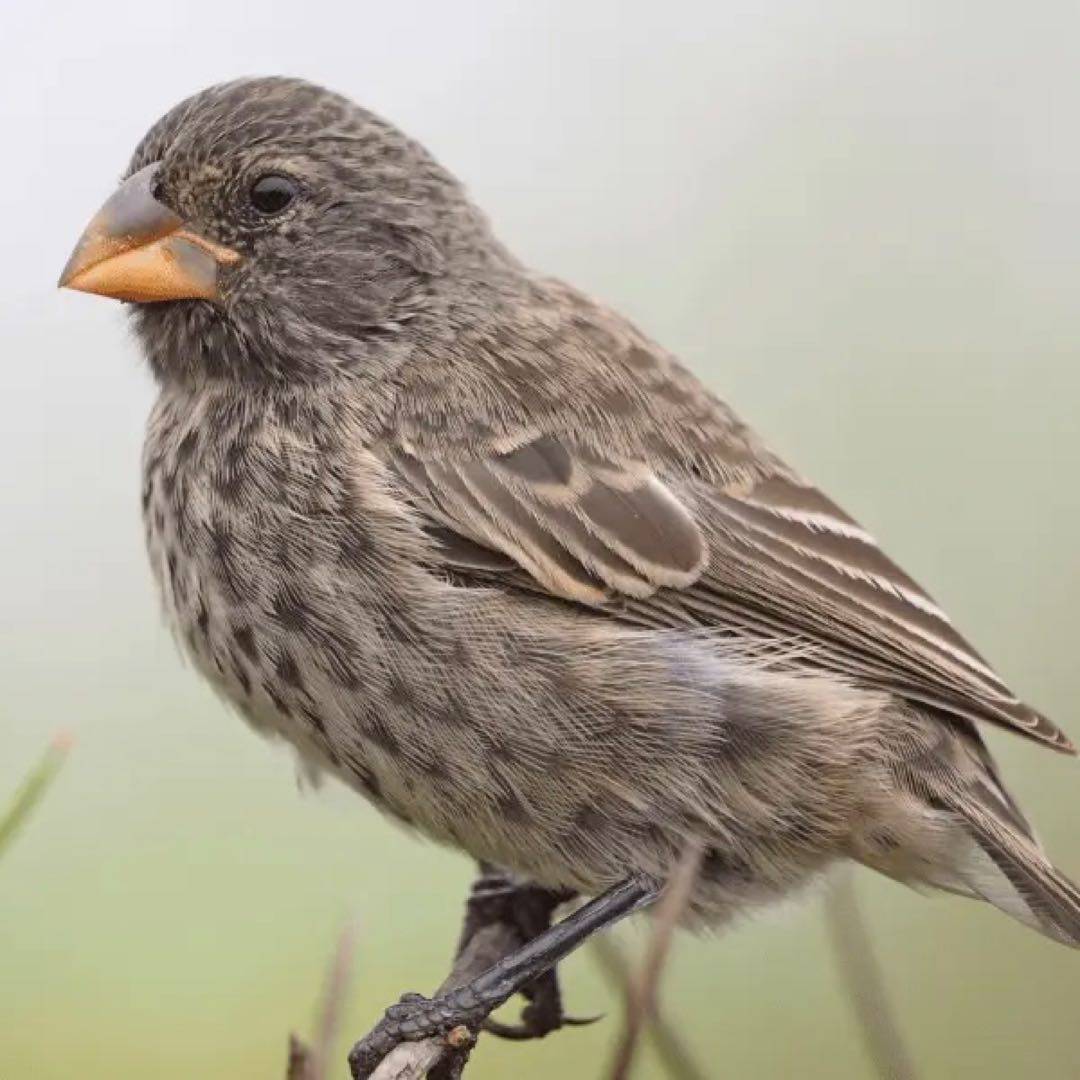
The Beak of the Finch is focused on the Grants, a family of scientists studying Galapagos finches. Highlighting their work, Weiner illustrates visible evolution that is occurring around us right now, not centuries from now.
Clearly for whatever reason I'm in the mood to read a lot this weekend! Finally finished this up; it's very dense, despite looking quite a slim book. Not a lot that was new to me, as someone who reads popular science about dinosaurs whenever I see something new, and follows dinosaur news idly, but some interesting titbits.
“A mycelial network is a map of a fungus‘s recent history and is a helpful reminder that all life-forms are in fact processes not things. The ‘you‘ of five years ago was made from different stuff than the ‘you‘ of today. Nature is an event that never stops.”

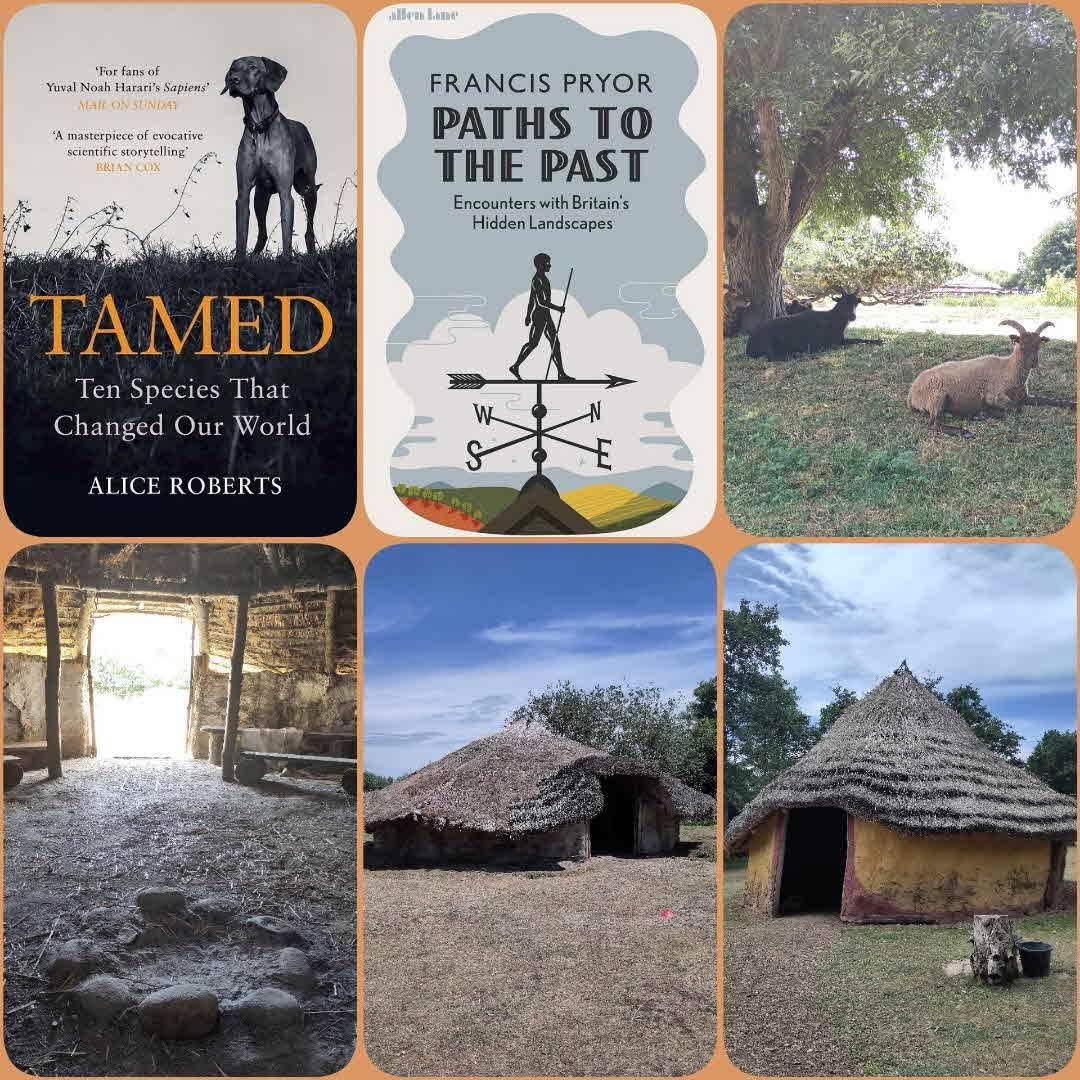
As well as the heritage breed soay sheep 🐏 and replica Bronze and Iron Age roundhouses 🛖 at Flag Fen, they do have a small selection of books in the visitors' centre, so I picked up a couple by two of my favourite TV archeologists: Tamed by Alice Roberts, who unaccountably hasn't including cats in her list of ten species 🤷🏻♀️ (but I'm kvetching), and Paths to the Past by Francis Pryor, who actually discovered and excavated the Flag Fen site.