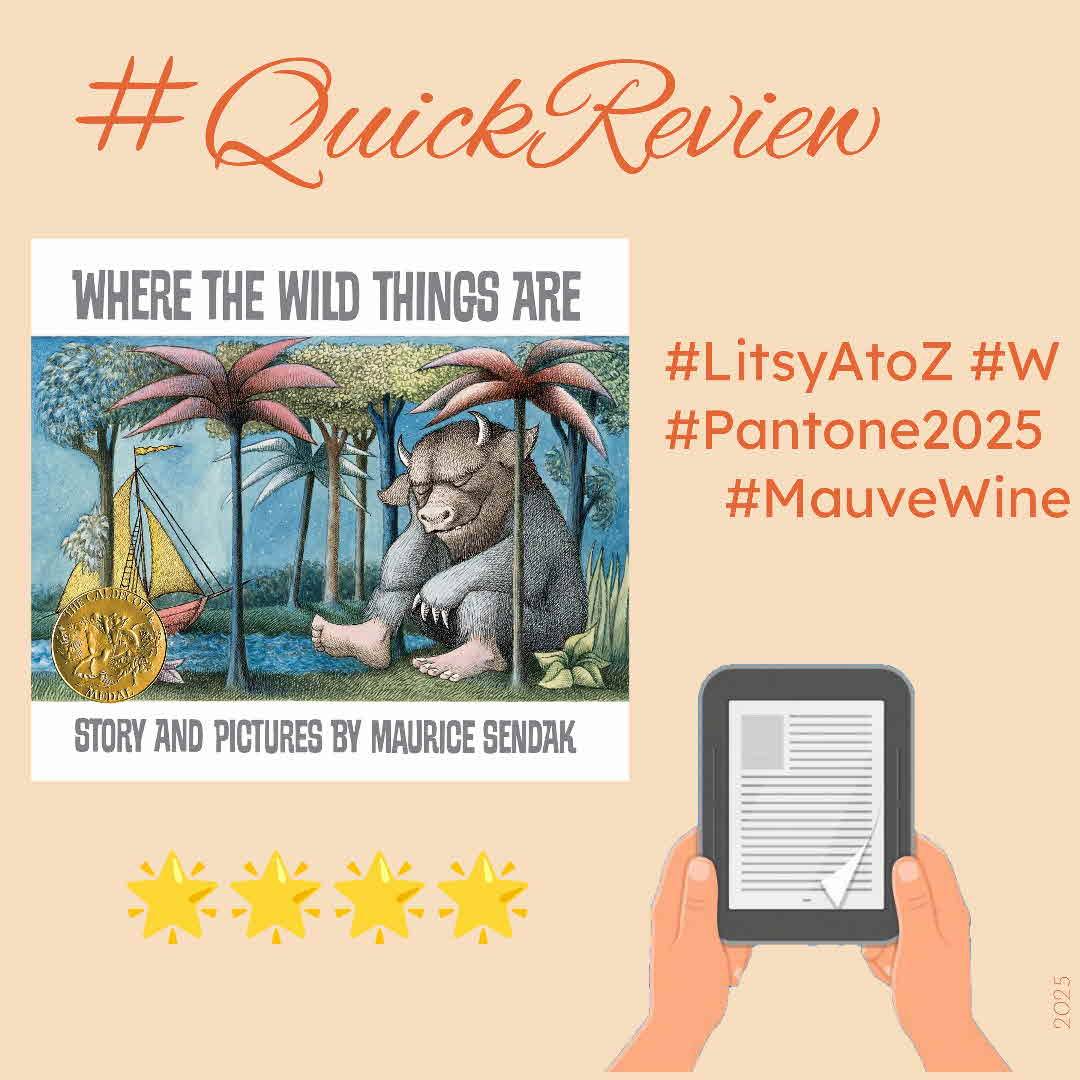
 pick
pickA whimsical, light-hearted adventure filled with playfulness.
It‘s exactly where my imagination loves to wander.
#LitsyAtoZ #W @Texreader
#Pantone2025 #MauveWine @Lauredhel
#Classic
41 likes


 pick
pickA whimsical, light-hearted adventure filled with playfulness.
It‘s exactly where my imagination loves to wander.
#LitsyAtoZ #W @Texreader
#Pantone2025 #MauveWine @Lauredhel
#Classic
 pick
pickFilled with references from standard classics in the illustrations, this seems very nostalgic and may be a great gift for someone who loves the classic. It was published in 2016 and it had escaped my notice this whole time.
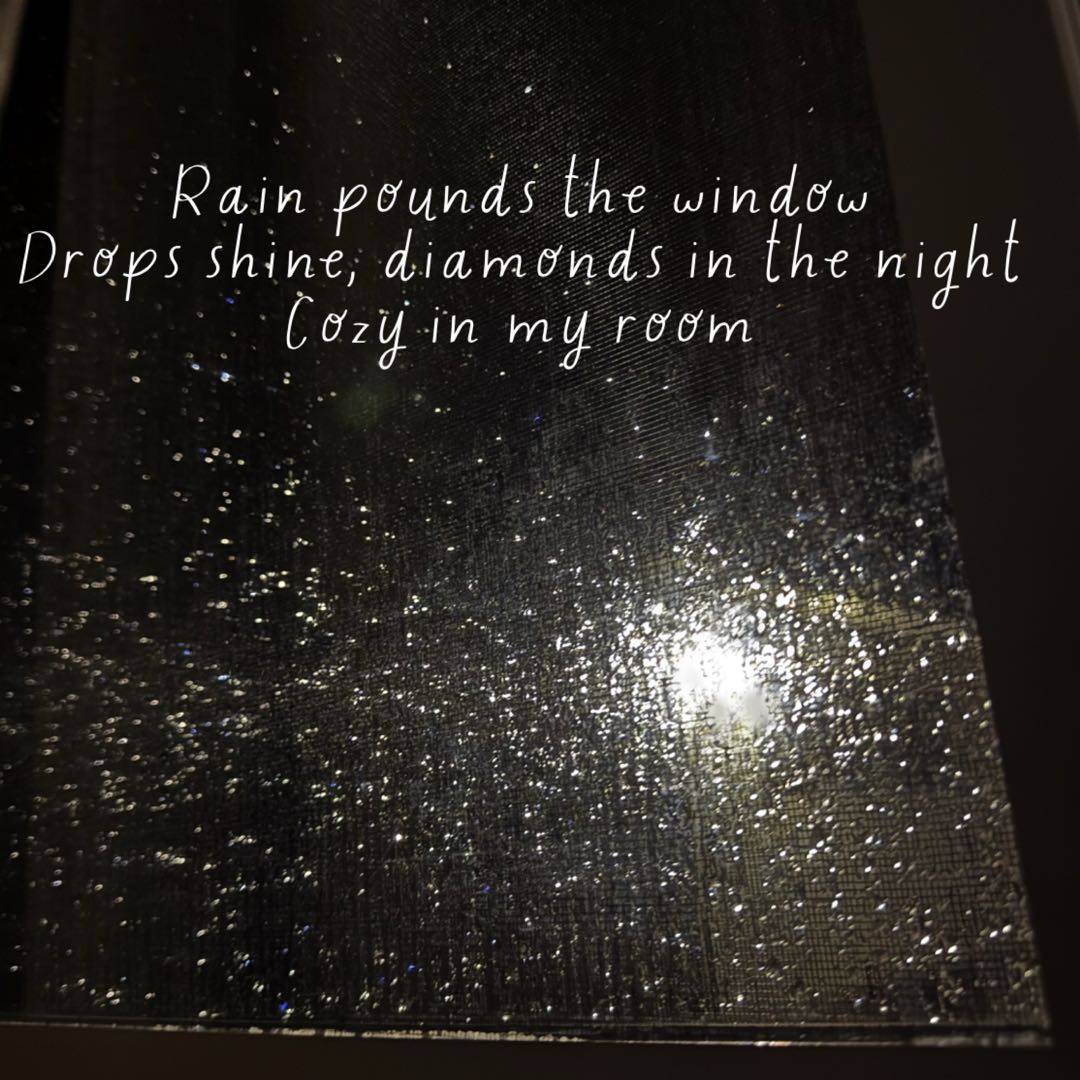
#HaikuADay #HaikuHive
Yesterday‘s haiku was inspired by my night in my stark little room at the dojo. It was a cool (not cold, it‘s Hawaii) blustery night with the rain hitting against the window invoking a cozy, comforting feeling.
Rain pounds the window
Drops shine, diamonds in the night
Cozy in my room
 Kristy_K, DebinHawaii, Mimi28, TheBookHippie, JenlovesJT47, Susanita, Reggie, vivastory, Itchyfeetreader, jdiehr, Bookwomble, CBee, dabbe, kelli7990, Jari-chan, ImperfectCJ, lil1inblue, The_Book_Ninja, julieclair, AnnCrystal, bellabella, BooksandCoffee4Me
 pick
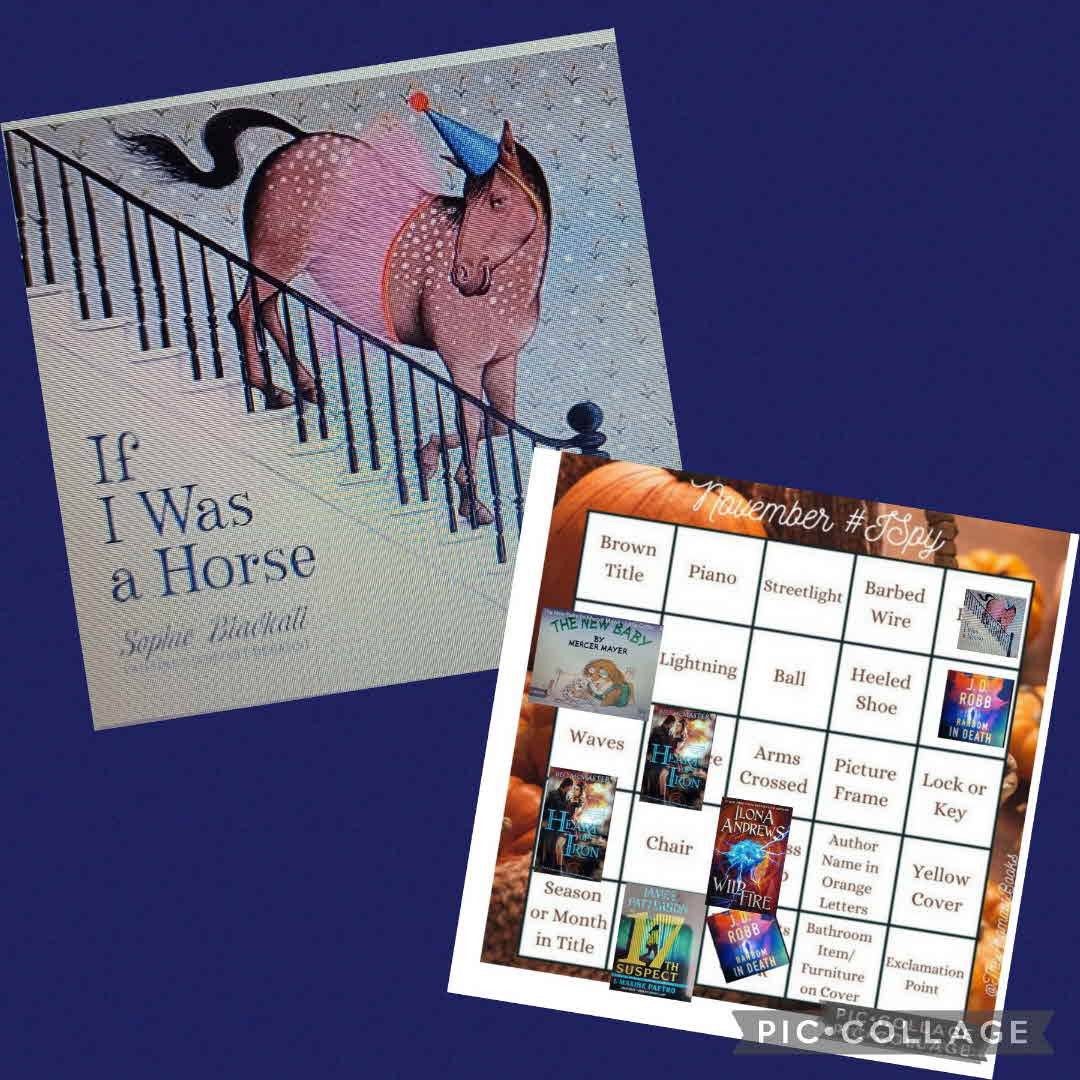
pick32 pages of great colorful drawings. What would you do if you were a horse. It's a cute book for 4 to 8 years old. #ISpyBingoNov @TheAromaofBooks
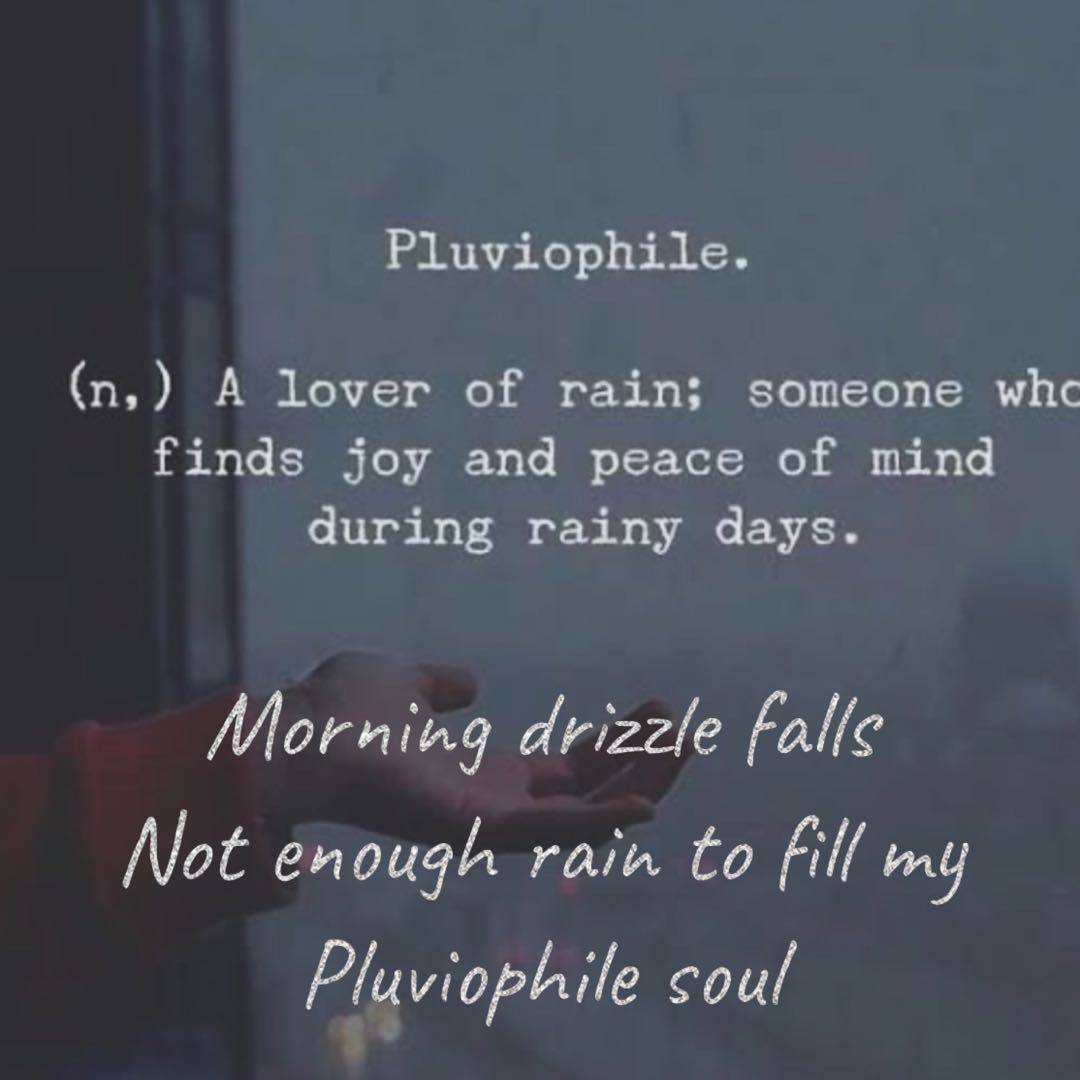
#HaikuADay #HaikuHive
I wasn‘t familiar with the term Pluviophile when I ran across it on TikTok, but I am one. I love a good rainy day & find peace & joy in them. While it was just a couple of small showers this morning, it inspired today‘s haiku. It also works for #WeirdWordWednesday
Morning drizzle falls
Not enough rain to fill my
Pluviophile soul
Kristy_K, DebinHawaii, Mimi28, TheBookHippie, JenlovesJT47, Susanita, Reggie, vivastory, Itchyfeetreader, jdiehr, CBee, dabbe, kelli7990, Jari-chan, ImperfectCJ, lil1inblue, The_Book_Ninja, julieclair, AnnCrystal, bellabella, BooksandCoffee4Me“He was born on an island far away where imaginary friends were created.”
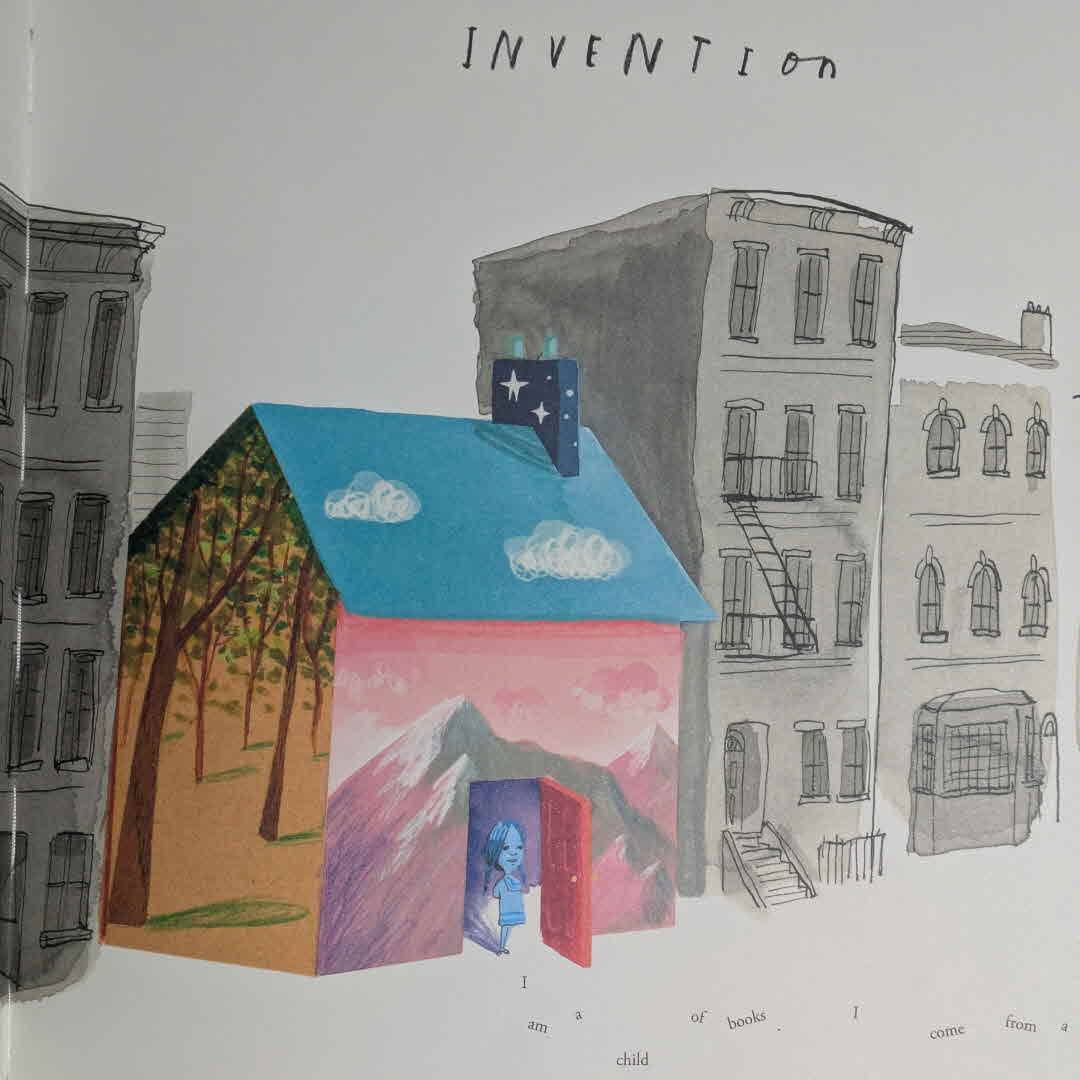
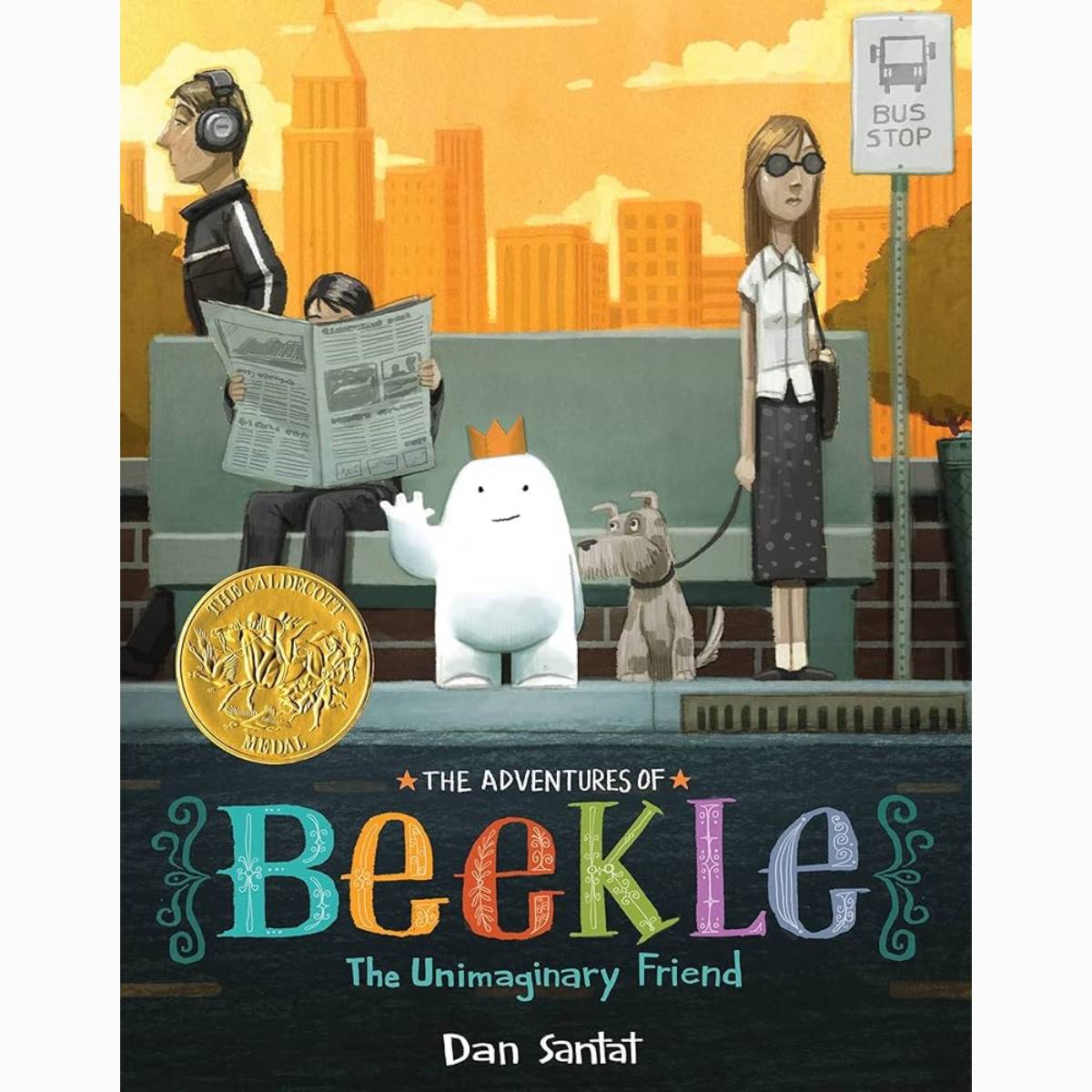
This story follows Beekle, an imaginary friend who sets out to find the child who will imagine him. In the classroom, the book is useful for exploring themes of friendship, courage, and belonging. It can spark discussions about imagination and creativity, while also encouraging students to write or draw about their own imaginary friends or the friends they‘d like to have.
 pick
pickIn The Adventures of Beekle, the art is carefully organized through bold colors, shifting perspectives, and imaginative shapes. The contrast between the gray, muted tones of the “real world” and the vibrant, whimsical world of imaginary friends highlights Beekle‘s journey. The illustrations deepen the meaning by showing his loneliness, bravery, and eventual joy in finding friendship.
pickThis picture book published in 1963 uses expressive lines, muted colors, and shifting compositions to reflect max's journey. As the wild rumpus grows, so do the illustrations, then shrinking again when max returns home.