


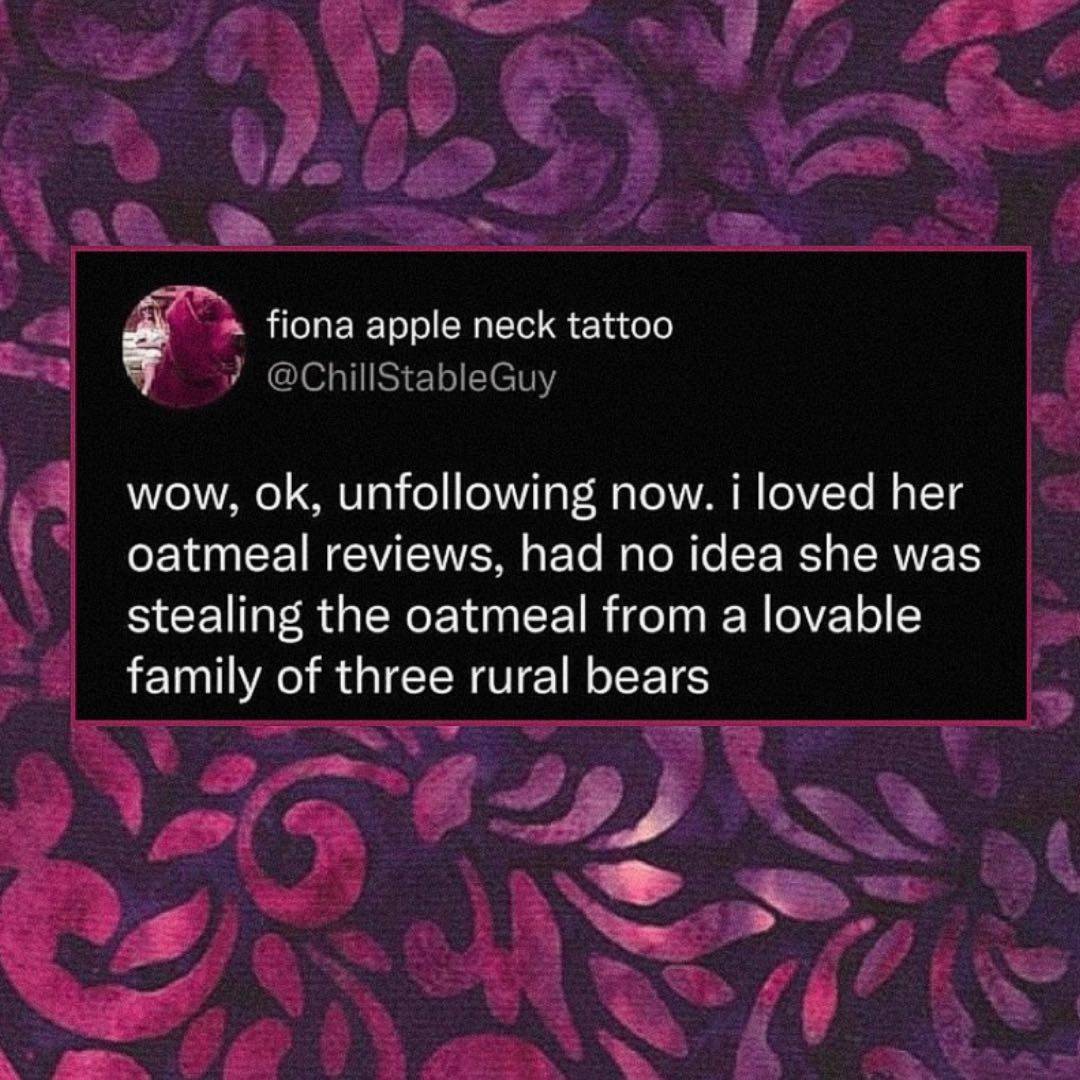
🐻🥣
Bookwormjillk 😂 😂 😂 1mo
Jari-chan 😁 😁 😁 1mo
Ruthiella 😂😂😂 1mo
lil1inblue 😂 😂 😂 1mo
Reggie Lololol 1mo
40 likes5 comments


🐻🥣
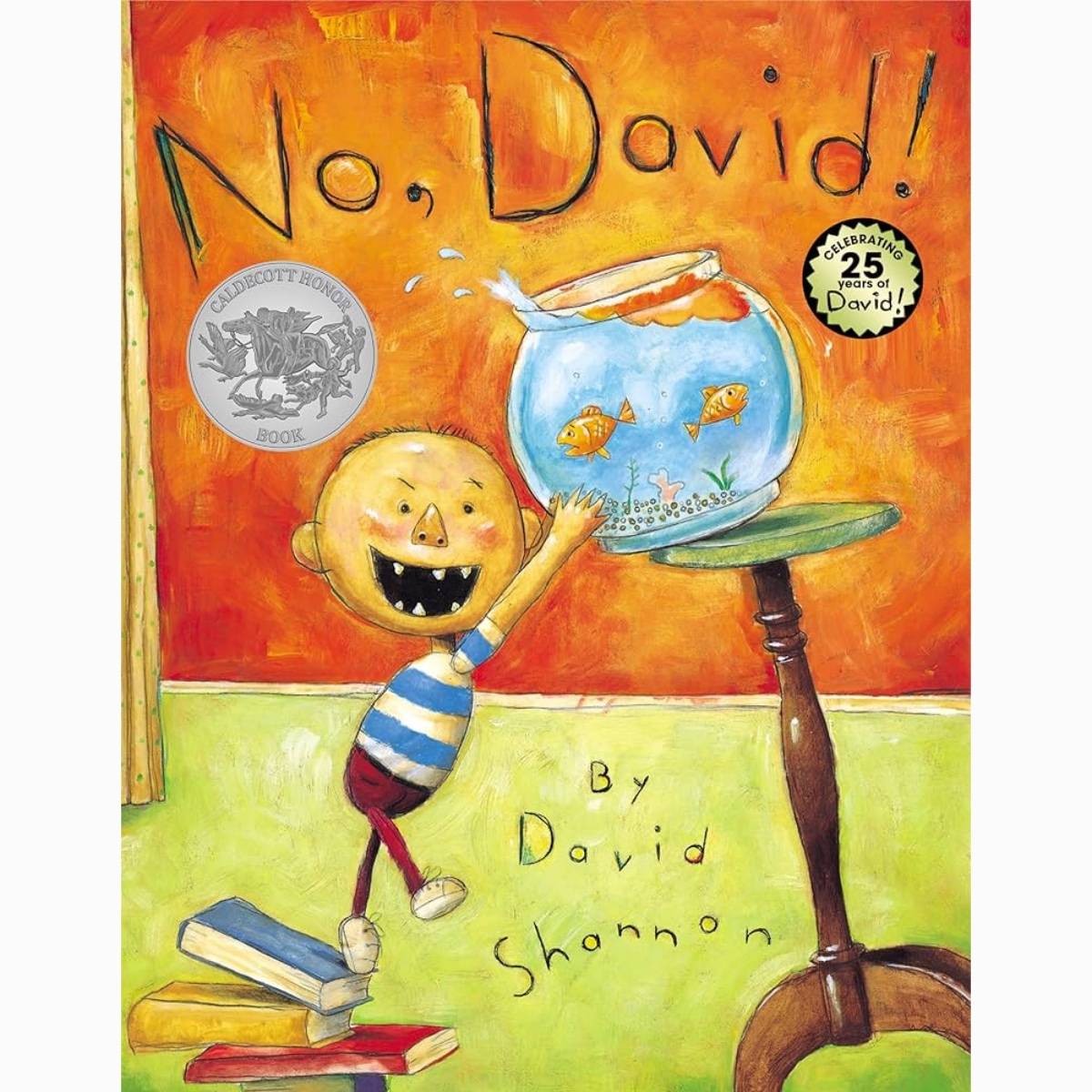
This story follows David, a little boy who often gets into trouble but is always loved. In the classroom, it‘s useful for discussing rules, self-control, and unconditional love. It also provides opportunities for students to connect with their own experiences of learning boundaries and to practice sequencing events or retelling a story through both words and pictures.
 pick
pickIn No, David!, the illustrations are bold, exaggerated, and filled with playful lines and bright colors. The slightly chaotic compositions mirror David‘s mischievous energy, while the simple, childlike drawing style matches the humor and perspective of a young child. The art works hand-in-hand with the text, amplifying both the comedy and the warmth of the story.
After reading, students can make their own “No, ______!” page by drawing a character doing something silly and adding a big “No!” sentence.
pickNo, David! (Picturebook, Caldecott Honor, 1998) tells the story through its pictures. The bright colors make the book feel fun and playful. The simple shapes look like a child‘s drawing, which makes the story easy for kids to connect with. The wiggly lines show David‘s wild and messy behavior. The pictures are set up so David is always the focus, which makes his actions the center of the story.
#HaikuADay #HaikuHive
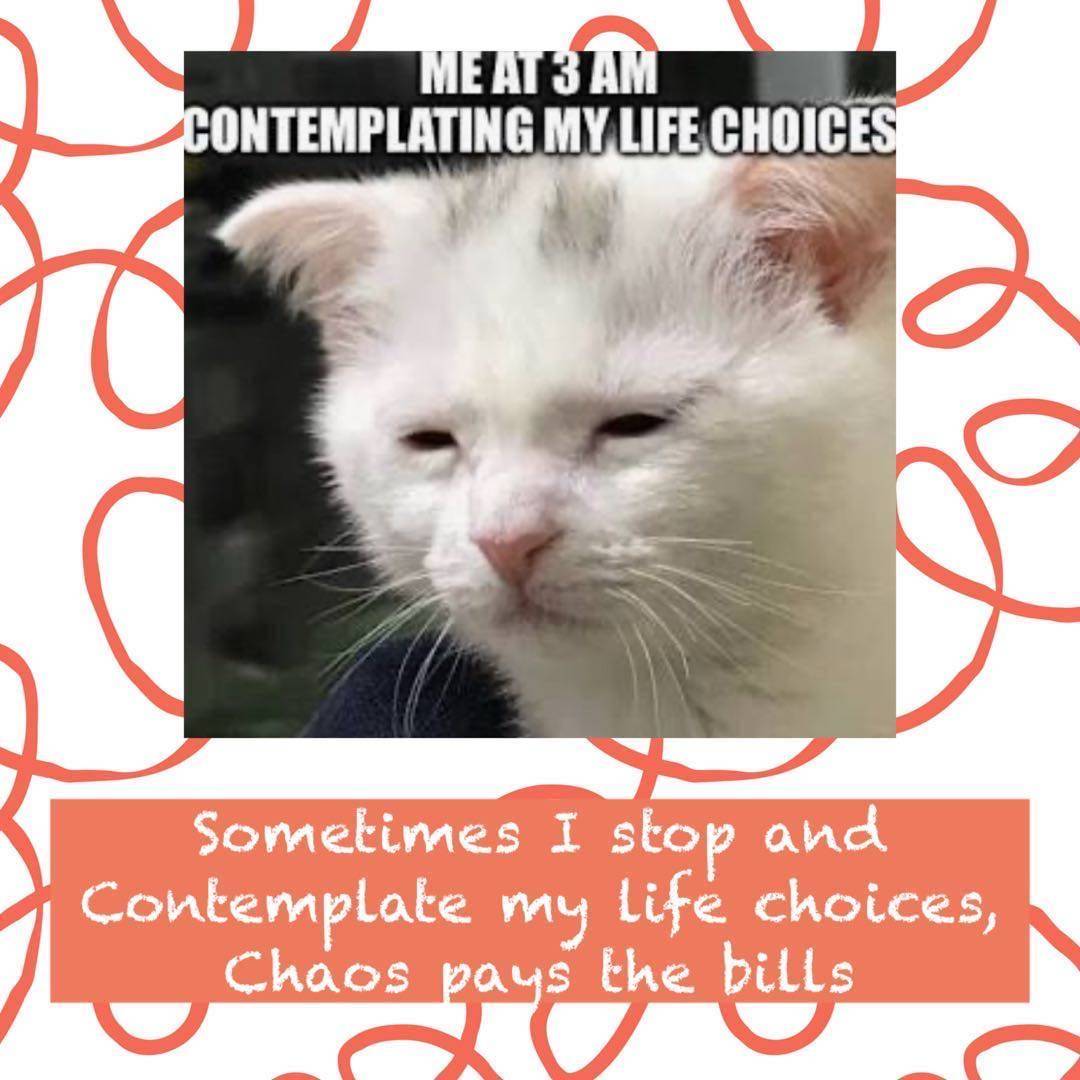
My friend & I have this thing where when it‘s been a tough day/week/whatever, I tell her I‘m laying on the couch “contemplating my life choices.” That‘s today‘s haiku inspiration because today‘s chaos felt like a Monday. 😳😵💫 TGIF! (almost!)
Sometimes I stop and
Contemplate my life choices,
Chaos pays the bills
 Kristy_K, DebinHawaii, Mimi28, TheBookHippie, JenlovesJT47, Susanita, Reggie, vivastory, Itchyfeetreader, jdiehr, CBee, dabbe, kelli7990, Jari-chan, ImperfectCJ, lil1inblue, The_Book_Ninja, julieclair, AnnCrystal, bellabella, BooksandCoffee4Me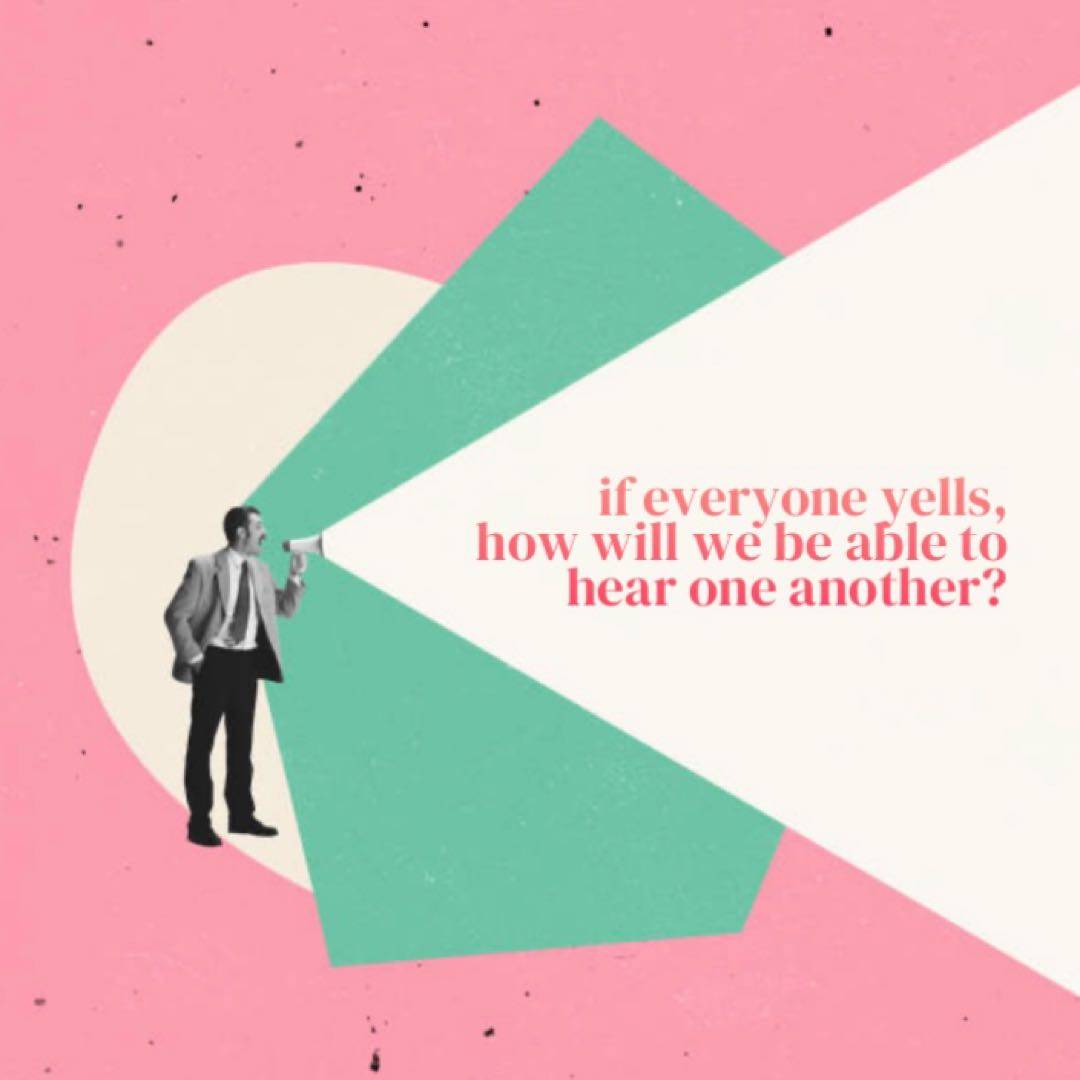
If everyone yells,
how will we be able to
hear one another?
Food for thought.
#haikuhive #haikuaday #poetry


