


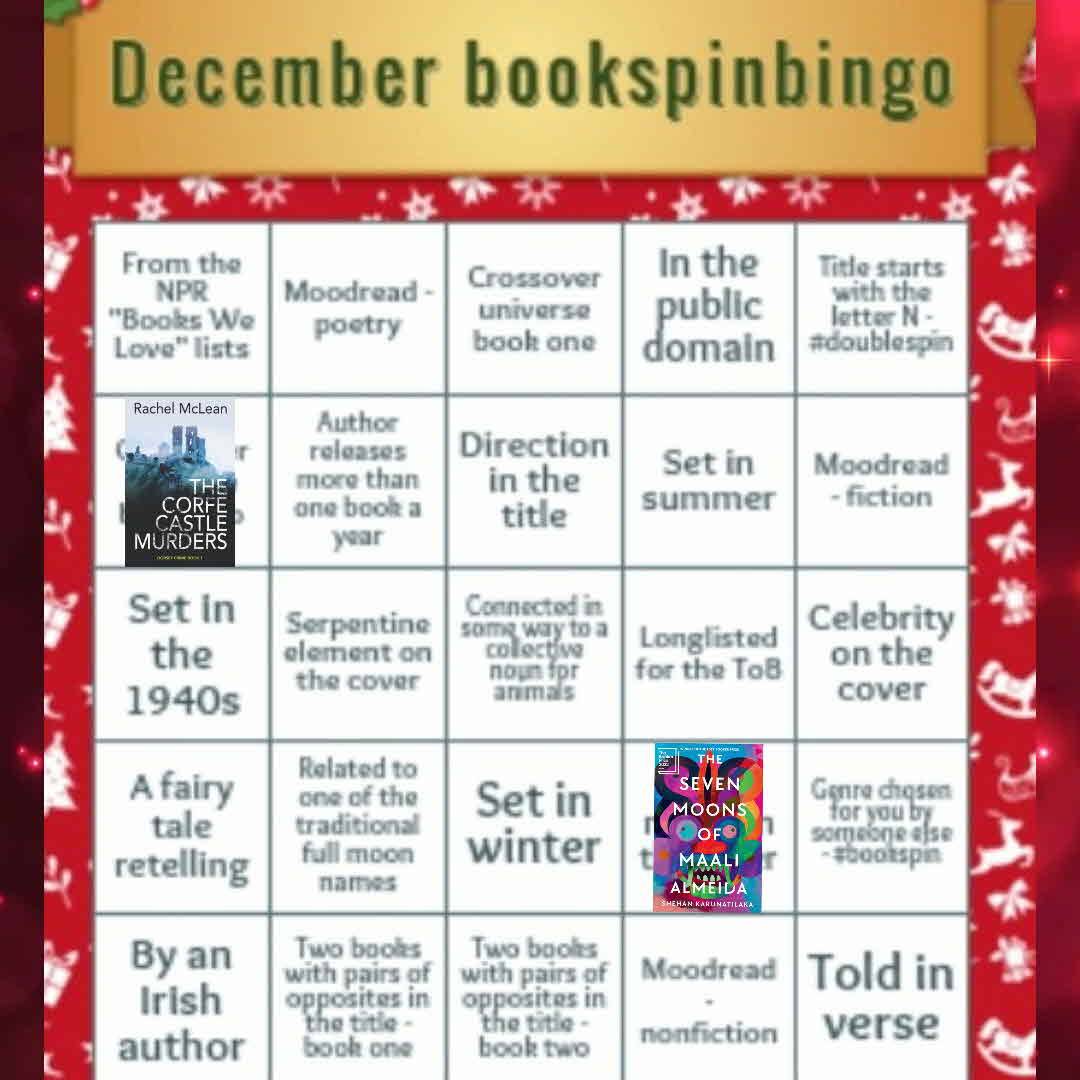
 so-so
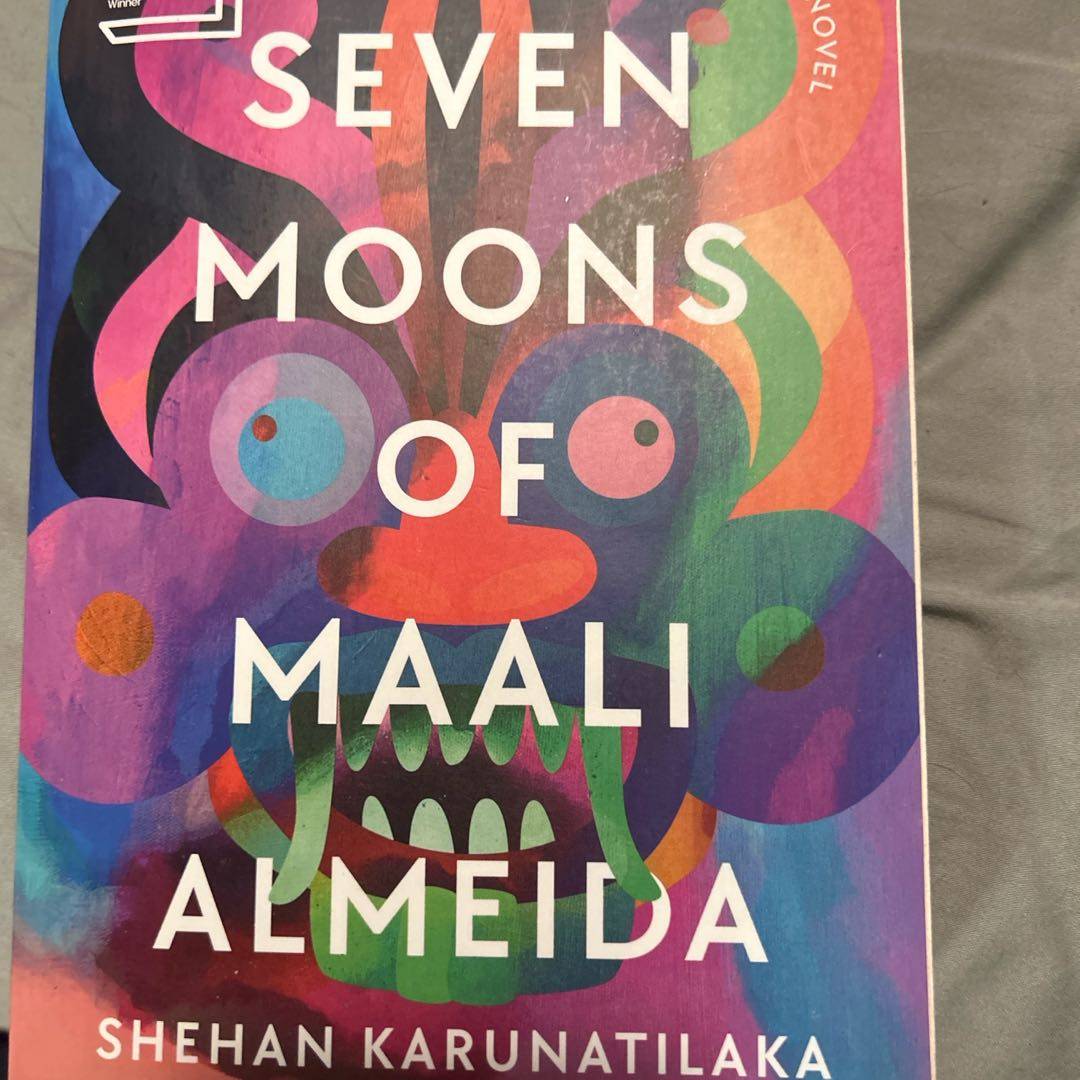
so-so#52bookclub25 #hasamoononthecover - cheating a bit by using the word instead of a picture!
#bookspinbingo @TheAromaofBooks
3 1/2 ⭐️
TheAromaofBooks Woohoo!! Looking great!! 1d
willaful I think it's legit. :-) 1d
37 likes2 comments

 so-so
so-so#52bookclub25 #hasamoononthecover - cheating a bit by using the word instead of a picture!
#bookspinbingo @TheAromaofBooks
3 1/2 ⭐️
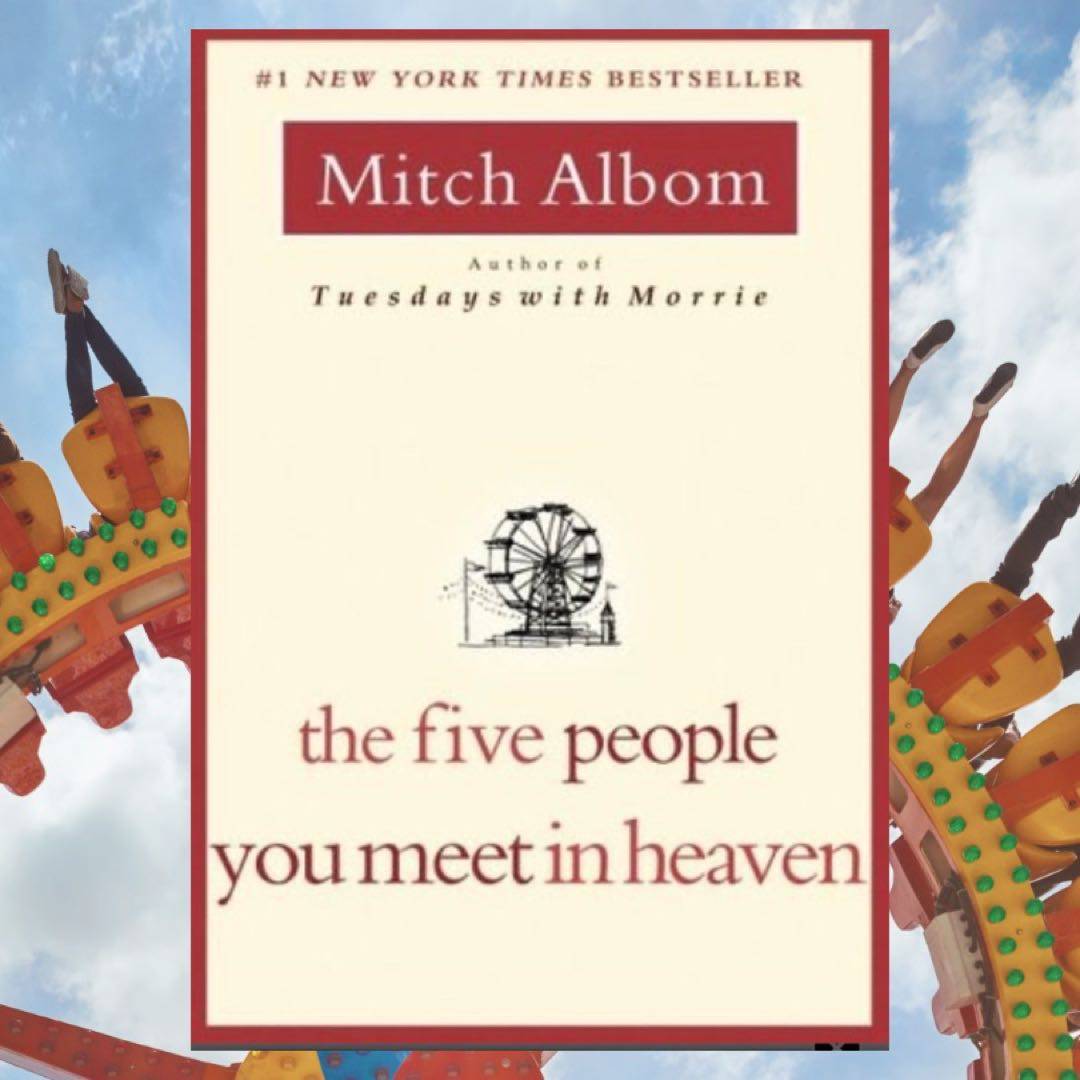
 pan
panFive People You Meet in Heaven, by Mitch Albom (2003)
⭐️⭐️
Premise: A crusty amusement park worker has five transforming encounters when he enters the afterlife.
Review: Stories about the afterlife are generally either cynical or sentimental, so I was expecting a certain amount of cringe here. But wow. ⬇️

A man finds himself in Hell's waiting room after dying in a car accident. Baffled, as he was convinced that he would be going to a heavenly afterlife due to his Mormon beliefs, he discovers that there is one true religion it just doesn't happen to be Mormonism (the reveal of the religion made me chuckle). He is then dispatched to a Hell that seems especially suited for him as someone who loved reading while alive. Based on Borges' story (CONT)
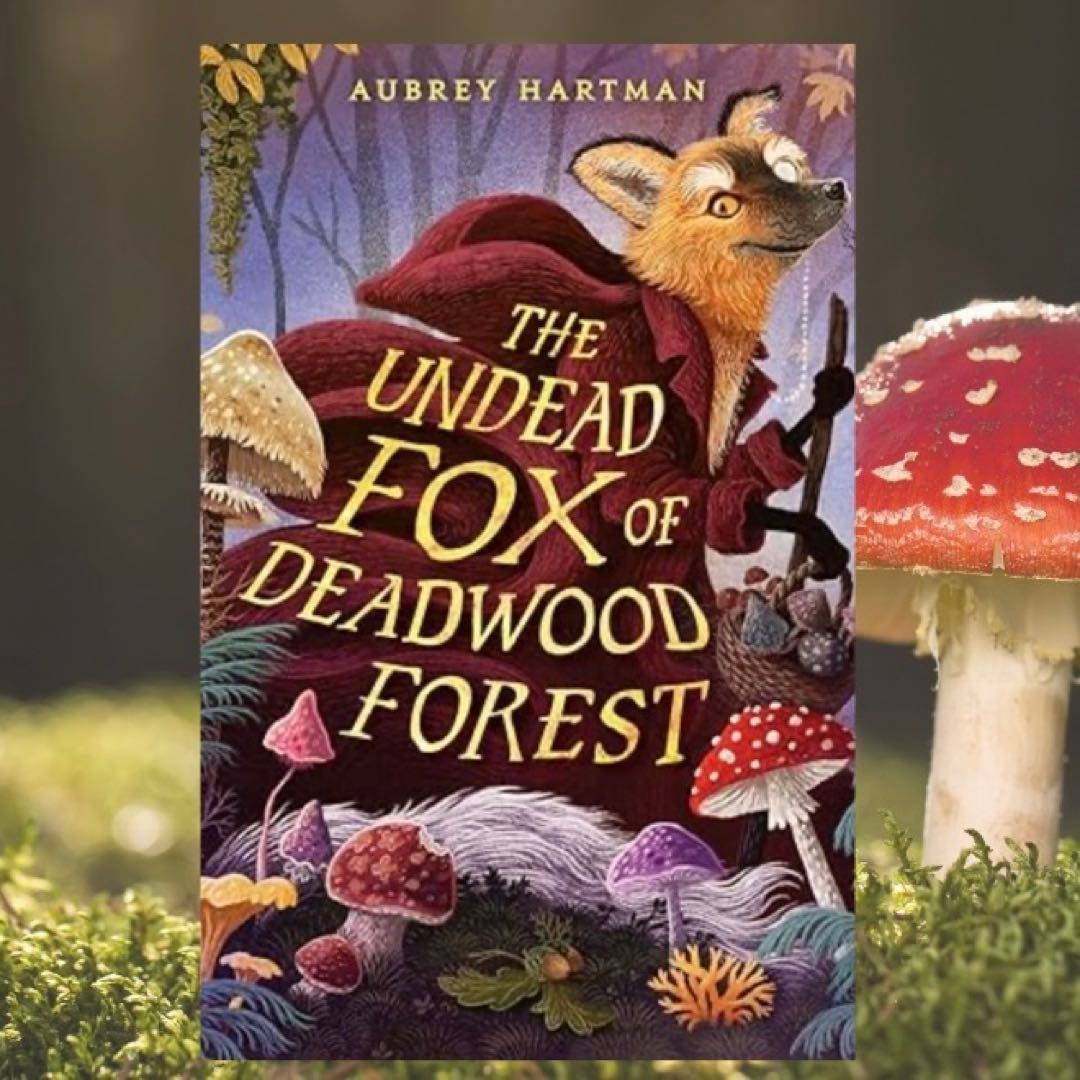
 pick
pickThe Undead Fox of Deadwood Forest, by Aubrey Hartman (2025)
⭐️⭐️⭐️⭐️⭐️
Premise: An undead fox who ushers the souls of animals into their best fit of four afterlifes (peace, pleasure, progress, and pain) is disturbed by a prophecy of great upheaval followed by the arrival of a plucky badger who can‘t seem to enter any of the realms.
Review: This is so charming, with a dash of spooky, and a powerful message for kids of all ages. ⬇️
I‘m posting one book a day from my massive collection. No description, no reason for why I want to read it.
#ABookADay2025
 so-so
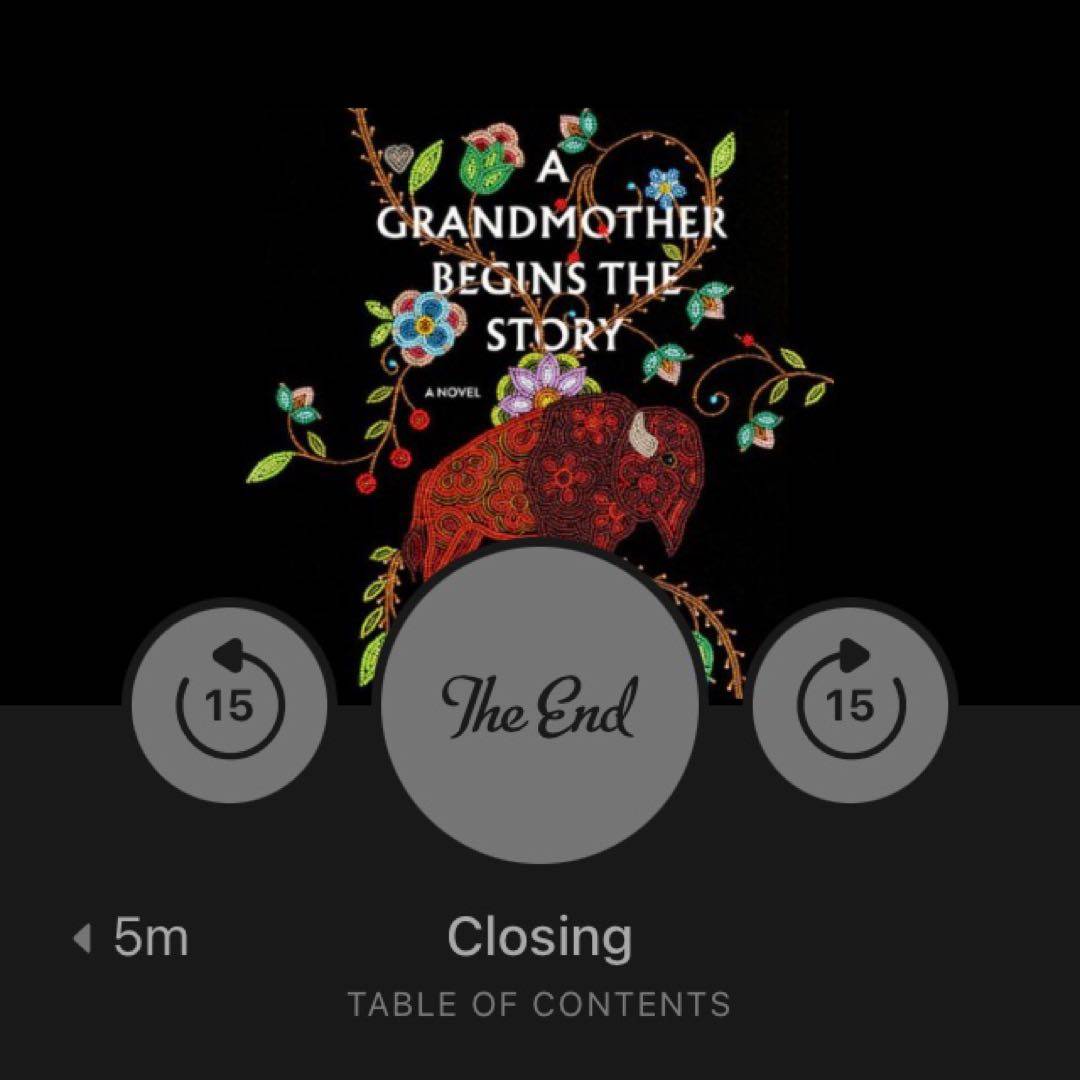
so-soFive generations of Metís women, how their lives intersect & separate, the cycle of family trauma, & the connection of life to earth.
Honestly, this was lovely to listen to, but occasionally so confusing I had to rewind several times. POVs of the women, bison, dogs, a car, the Earth itself made for an interesting, intense, inspiring, & very confusing read. This is not a book to listen to while trying to do other things.?????
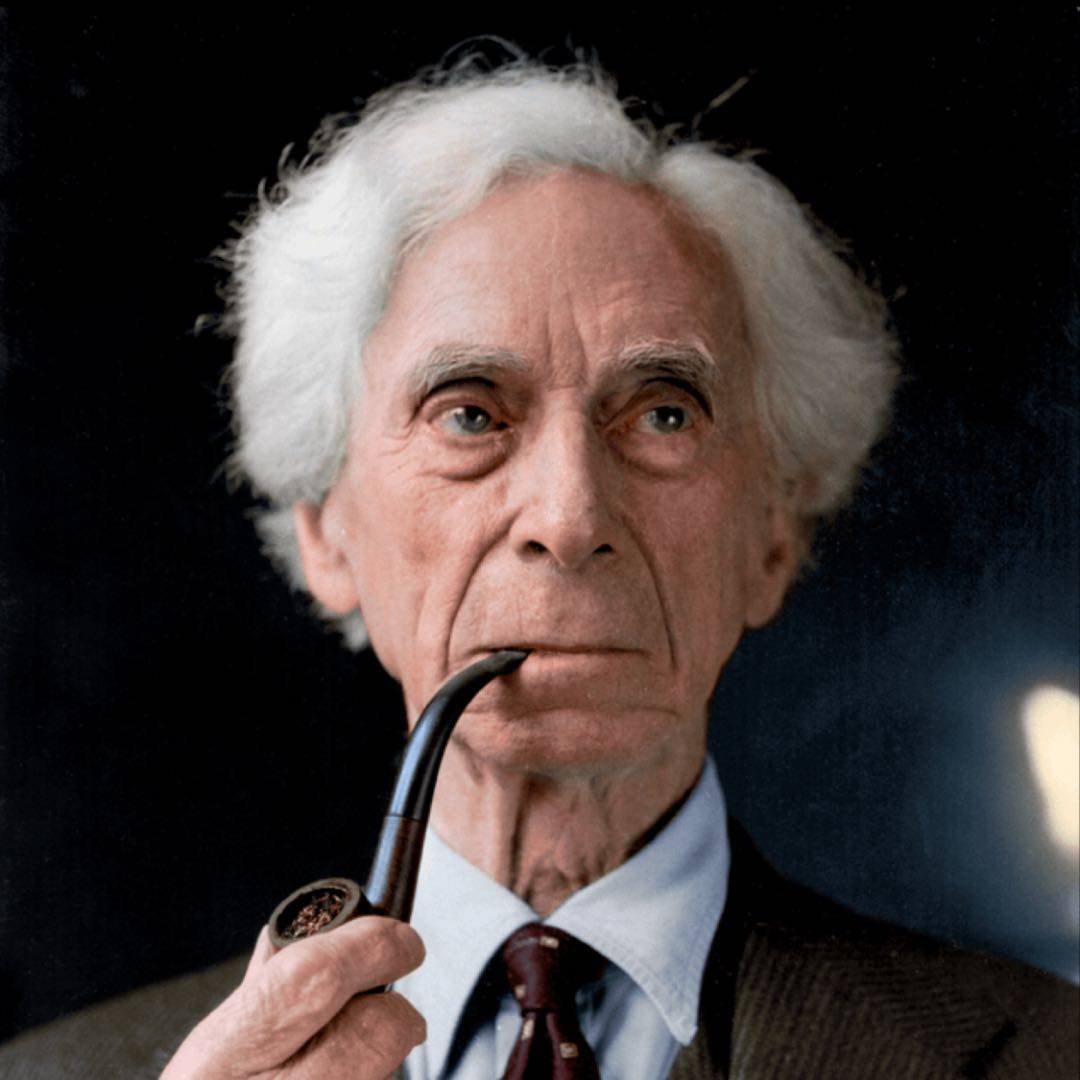
The best way to overcome [the fear of death]—so it seems to me— is to make your interest gradually wider and more impersonal, until bit by bit the walls of the ego recede, and your life becomes increasingly merged in the universal life. An individual human existence should be like a river— small at first, nearly contained within its banks, and rushing passionately past boulders and over waterfalls. Gradually the river grows wider, the banks ⬇️
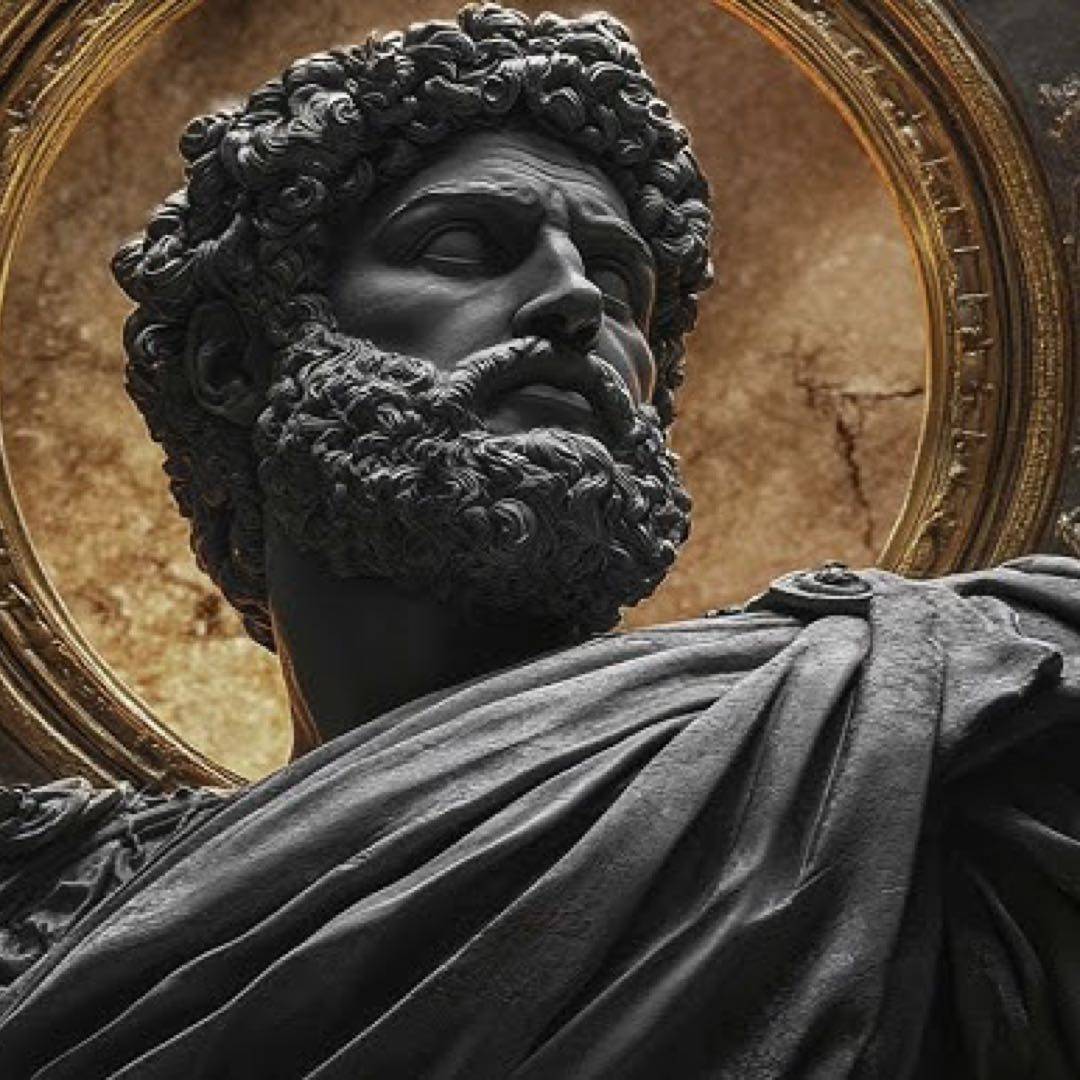
Marcus Aurelius was among those who offered another way to come to grips with a prospective of nonbeing: the period after death, he pointed out, is like the period before birth. You didn‘t spend the billions of years before you were born in a state of anxiety and apprehension, because there was no “you” to be aware of anything. Looking back now, it doesn‘t seem frightening that there was once a time when you were not conscious. Why then ⬇️
If death marks a permanent end of your consciousness, then from your point of view when you die, the entire future of the universe (running into tens of billions of years or more) must telescope down not just into a night, as Socrates described, but into a fleeting instant. Even if the universe were to go through other cycles of expansion and contraction, then all of these cycles as far as you are concerned would happen in zero time. What ⬇️


