

Home Feed
Home
Search
Search
Add Review, Blurb, Quote
Add
Activity
Activity
Profile
Profile
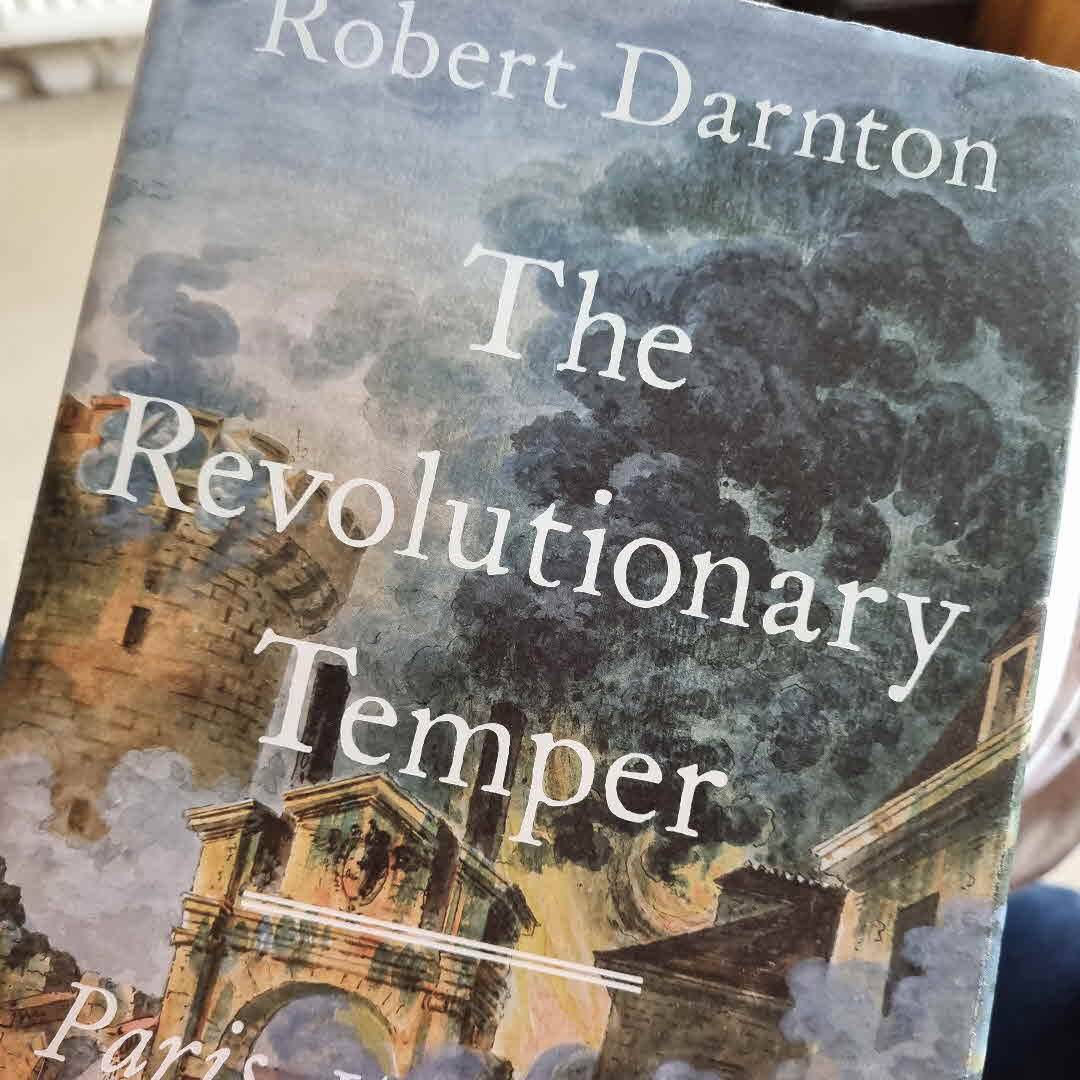
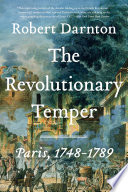
The Revolutionary Temper: Paris, 1748-1789
The Revolutionary Temper: Paris, 1748-1789 | Robert Darnton
7 posts | 1 read | 1 to read
A New York Times Book Review Editors' Choice “This captivating history of the decades leading up to the French Revolution…immerse[s] readers in what agitated Parisians read, wore, ate and sang on the way to toppling the monarchy of Louis XVI.” —New York Times Book Review A groundbreaking account of the coming of the French Revolution from a historian of worldwide acclaim. When a Parisian crowd stormed the Bastille in July 1789, it triggered an event of global consequence: the overthrow of the monarchy and the birth of a new society. Most historians account for the French Revolution by viewing it in retrospect as the outcome of underlying conditions such as a faltering economy, social tensions, or the influence of Enlightenment thought. But what did Parisians themselves think they were doing—how did they understand their world? What were the motivations and aspirations that guided their actions? In this dazzling history, Robert Darnton addresses these questions by drawing on decades of close study to conjure a past as vivid as today’s news. He explores eighteenth-century Paris as an information society much like our own, its news circuits centered in cafés, on park benches, and under the Palais-Royal’s Tree of Cracow. Through pamphlets, gossip, underground newsletters, and public performances, the events of some forty years—from disastrous treaties, official corruption, and royal debauchery to thrilling hot-air balloon ascents and new understandings of the nation—all entered the churning collective consciousness of ordinary Parisians. As public trust in royal authority eroded and new horizons opened for them, Parisians prepared themselves for revolution. Darnton’s authority and sure judgment enable readers to confidently navigate the passions and complexities of controversies over court politics, Church doctrine, and the economy. And his compact, luminous prose creates an immersive reading experience. Here is a riveting narrative that succeeds in making the past a living presence.
Amazon Indiebound Barnes and Noble WorldCat Goodreads LibraryThing
Pick icon
100%
quote
charl08
post image

D'Agoult...returned an hour and a half later....and announced that he had new orders specifying that he arrest councilors Duval d'Éprémesnil and Goislard de Montsabert. At that point, according to several accounts, all the magistrates replied with one voice, "We are all Duval and Goislard. It is all of us you must arrest."

France 1788 #ImSpartacus

.

blurb
charl08
post image

Phew, nearly there..

quote
charl08
post image

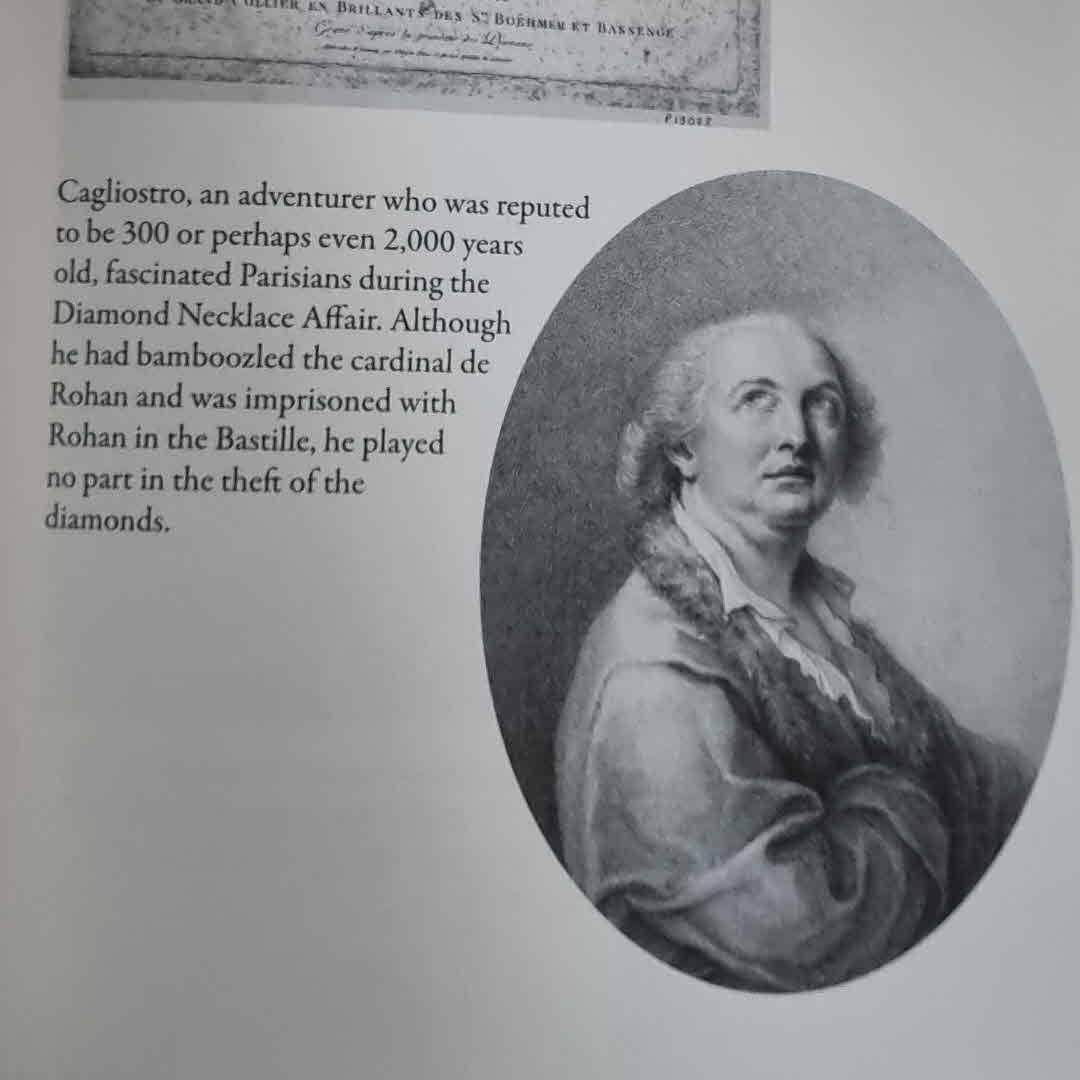
[Cardinal] Rohan believed that Cagliostro exercised occult power: he could cure disease, transform metal into gold, and see into the future. When asked... whether he had any regrets about the life he had led, he replied that he still felt terrible about the assassination of Pompey...
....
"The Affair of tbe Diamond Necklace" - reads like fiction, unsurprisingly the talk of Paris in 1785.

quote
charl08
post image

Mme du Barry continued to be the favorite target of libellers... A scurrilous biography, Anecdotes secrètes sur Mme la comtesse du Barry, traced her career from the brothel to the royal bed...It became a top best seller in the underground book trade of the 1770s...

...
Royal gossip clearly not new.
Image from "her" webpage.
http://www.madamedepompadour.com/_eng_pomp/home.htm

quote
charl08
post image

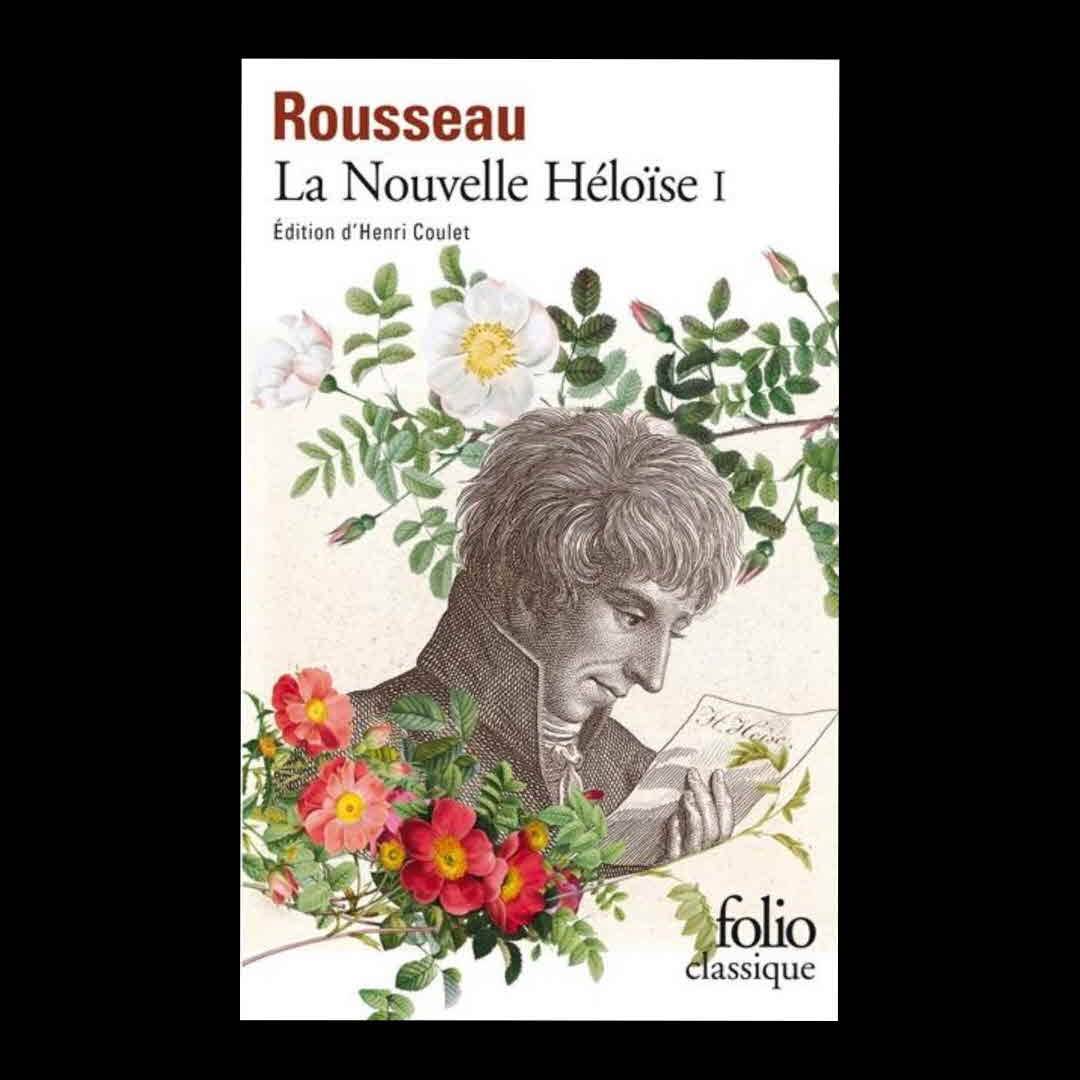
Not quite, AI, not quite... (prompt "Rousseau's cold remedy bottle")
.......

Of course, many earlier books, especially devotional tracts, had brought tears to the eyes of their readers, but La Nouvelle Héloïse released a flood: "tears," "sweet tears," "tears that are sweet," "delicious tears," "tears of tenderness." One reader sobbed so vehemently that he cured himself of a severe cold.

quote
charl08
post image

Rousseau addressed the paradox of his position as a novelist in two prefaces, which explained that novels were bad in themselves because they caused corruption, yet salutary in that they could inspire virtue among those already trapped in a corrupt society.

He also added a further paradox: "This novel is not a novel.
-----
!!! Cake and eating it!?

humouress 😂 3mo
37 likes1 comment
blurb
charl08
post image

Weekend history geeking.