


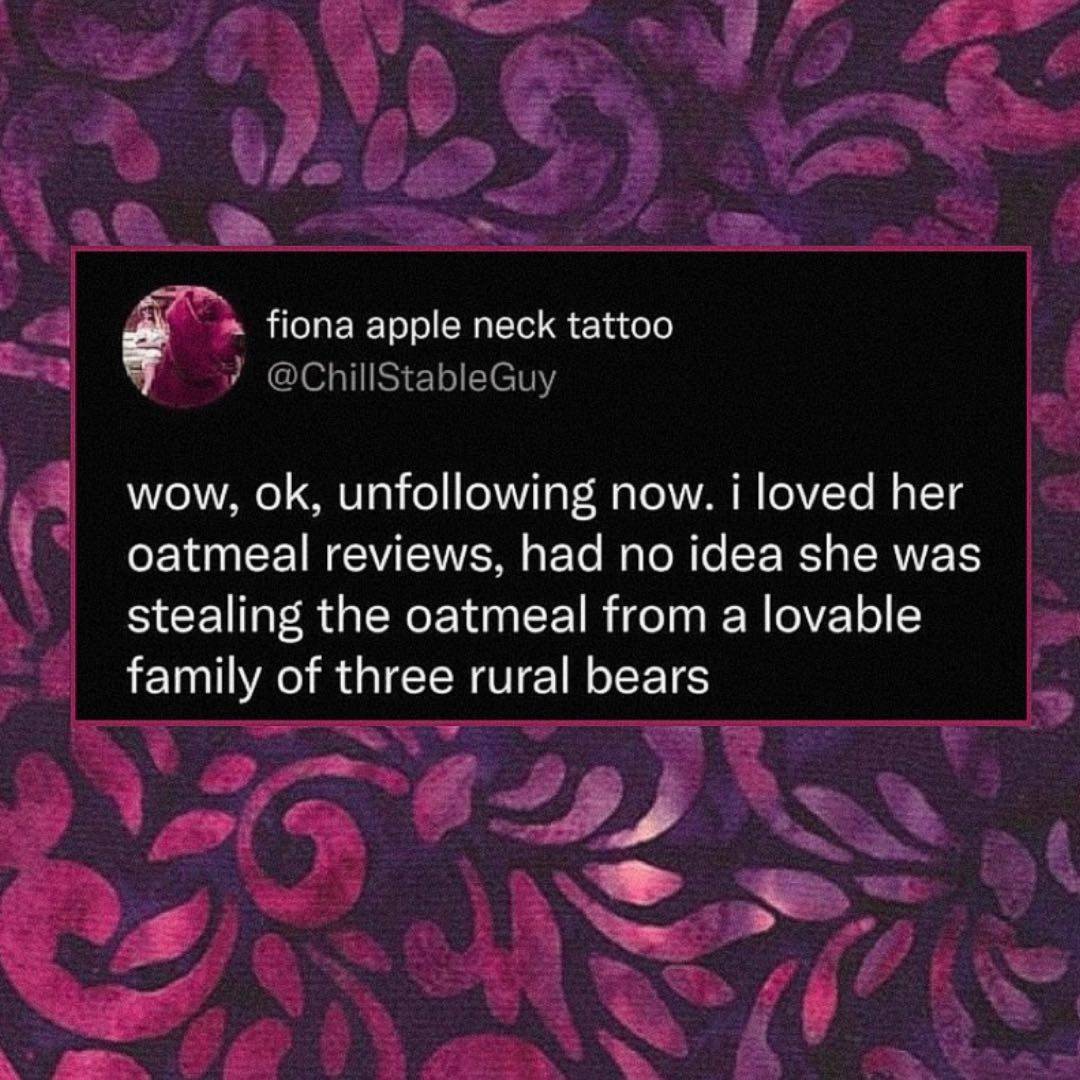
🐻🥣
Bookwormjillk 😂 😂 😂 1mo
Jari-chan 😁 😁 😁 1mo
Ruthiella 😂😂😂 1mo
lil1inblue 😂 😂 😂 1mo
Reggie Lololol 1mo
40 likes5 comments
🐻🥣
“Someone has been lying in my bed—and she‘s still there!”
Great for teaching sequencing, comparing versions of folktales, and discussing choices and consequences. Students love acting out the story with “too big, too small, just right” patterns.
 pick
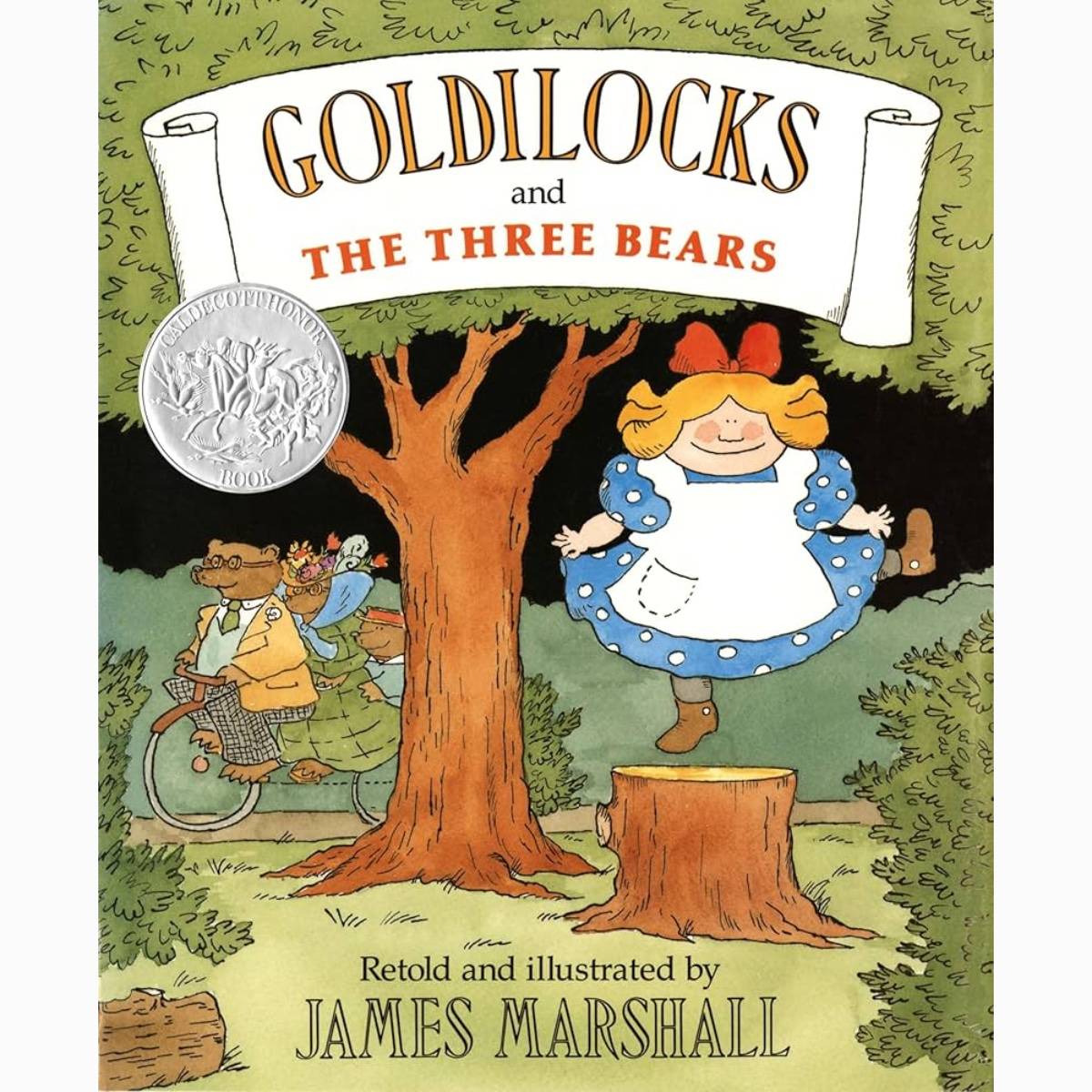
pickThis is a folktale, since it is a story passed down orally through generations that teaches lessons about behavior and consequences. Goldilocks carelessly enters the bears‘ home, tries their food, chairs, and beds, and faces the results of her actions when the bears return. Marshall‘s playful retelling and humorous illustrations give the classic tale a lighthearted twist while keeping its traditional cautionary message intact.
We could use this for a classroom discussion by asking students to identify the lesson or moral of the story, such as respecting others‘ belongings. Students could compare Goldilocks‘ choices with the bears‘ reactions and discuss consequences of actions. We could also explore the fantasy elements, like talking bears, and ask why the author included them.
pickGoldilocks and the Three Bears by James Marshall is a traditional literature book published in 1989. It received the Caldecott Honor. This book is considered a fairytale. It is considered a fairytale because it includes talking bears and other imaginative, fictional elements. The story teaches a lesson about curiosity and respecting others‘ property, which is common in fairy tales.


