


 pick
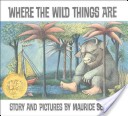
pickThis picture book published in 1963 uses expressive lines, muted colors, and shifting compositions to reflect max's journey. As the wild rumpus grows, so do the illustrations, then shrinking again when max returns home.
 Where the Wild Things Are |


 pick
pickThis picture book published in 1963 uses expressive lines, muted colors, and shifting compositions to reflect max's journey. As the wild rumpus grows, so do the illustrations, then shrinking again when max returns home.
This is a great book that encourages students to be imaginative and entertained, throughout the entire story.
“That very night in Max's room a forest grew and grew --and grew until his ceiling hung with vines and the walls became the world all around.“
“The wild things roared their terrible roars and gnashed their terrible teeth and rolled their terrible eyes and showed their terrible claws...“
I would use this to introduce a writing assignment discussing what the class would turn there bedroom into.
pickThe Caldecott Medal | Picture book published in 1963
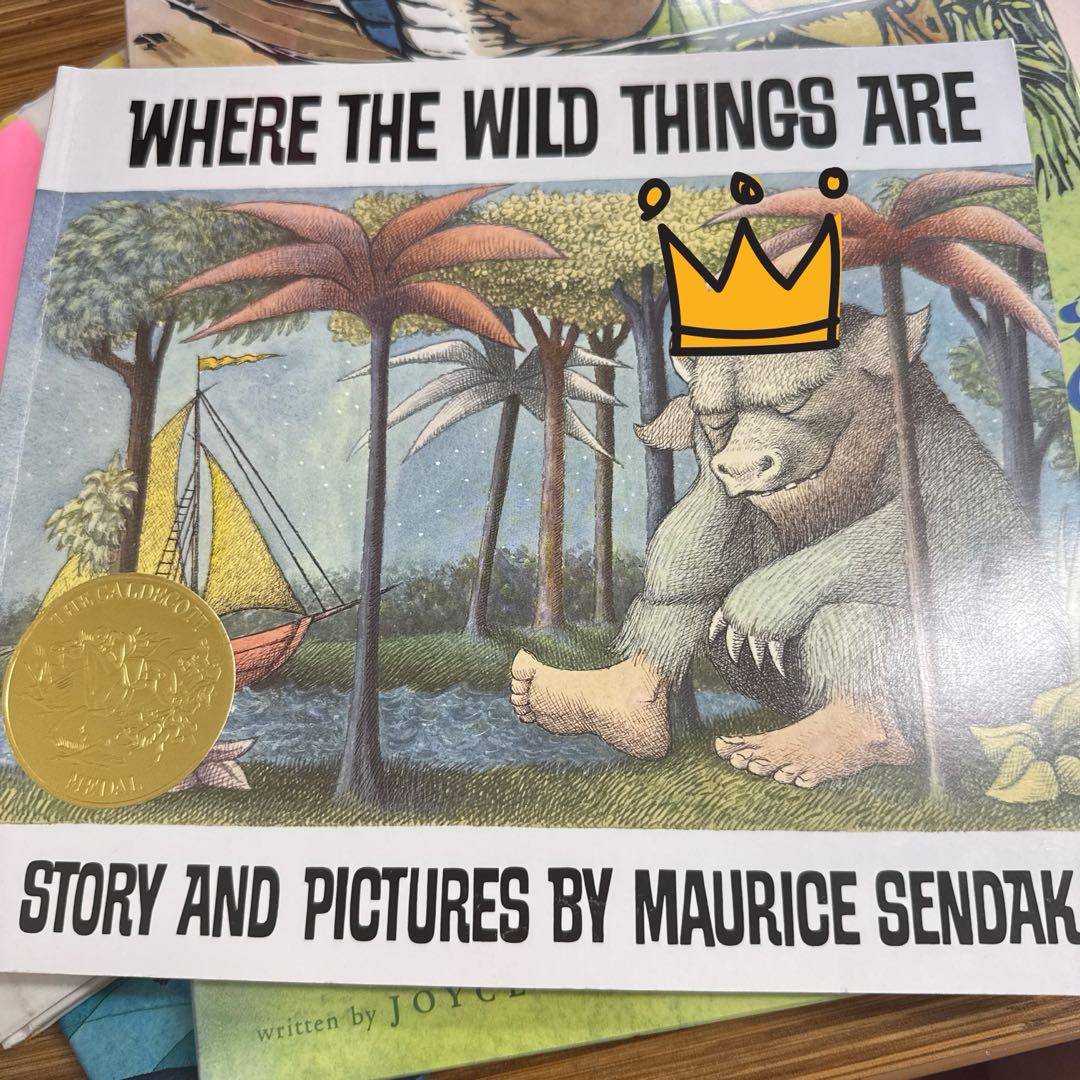
As the story progressed, the pictures began to take up more and more space on the page. This followed the flow of the story where his imagination began to grow bigger and bigger.
An amazing art activity could be done while using this book as well as some drawings. i would use it to lead a discussion and have them draw their own place.
 so-so
so-sothe depth and detail within the illustrations were insane. It gives you so much to look at and almost reflect on yourself. In art class we could talk about hatchworking and the intricate detail. 1963
I could use this book with younger children. I can use this to teach students about emotions and how emotions affect others.
pickPicture book (1963) Maurice Sendak‘s illustrations in Where the Wild Things Are masterfully chart Max‘s emotional journey through contrast, perspective, and scale. Early pages confine Max in small, boxed scenes; as his imagination takes off, images swell, engulfing full spreads until even words disappear in the wild rumpus. The Wild Things are ferocious yet rounded, scary but oddly endearing—mirroring Max‘s inner turmoil and longing for belonging
“That very night in Max's room a forest grew and grew -- and grew until his ceiling hung with vines and the walls became the world all around.“
I think this is an awesome picture book that is super entertaining. It also encourages students to be imaginative!
 pick
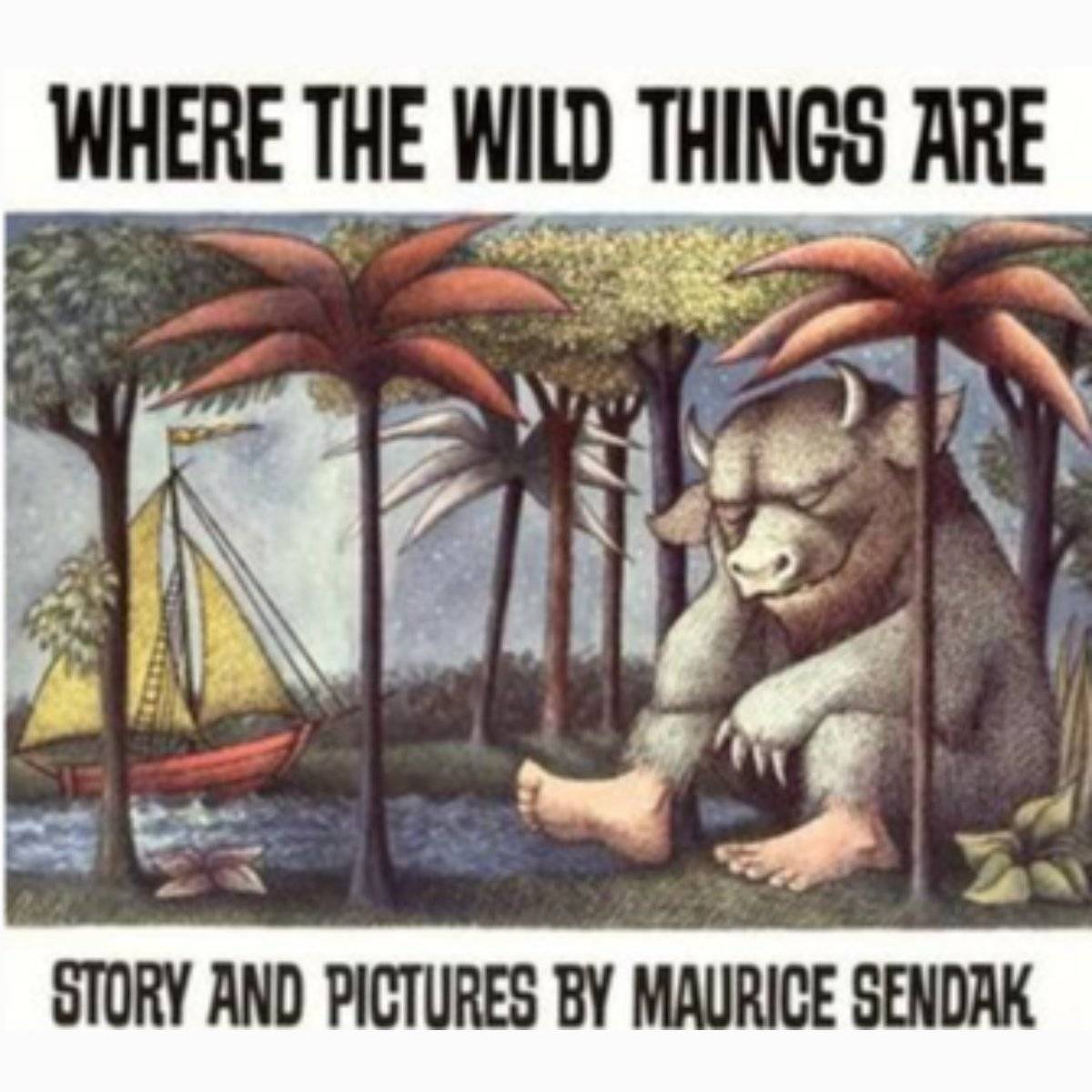
pickPicture book! Maurice Sendak‘s expressive lines, muted colors, and shifting compositions reflect Max‘s emotional journey. As the wild rumpus grows, so do the illustrations—expanding across the pages—then shrinking as Max returns home. A timeless 1963 classic that beautifully captures imagination, emotion, and belonging.
This book would be great for allowing children to write their own version of a “dream world“ while reflecting on what they appreciate about their real-world.
pickThis picture book was published in 1963 and is the story of how a little boy uses his imagination to transform his world, where he is in charge. He transforms his room into a wild escape and becomes king of the wild things. The illustrations enhance this imaginative atmosphere by showing how big the “wild things“ are compared to Max. Illustrations of Max's room depict the warmth of home, while Max's imaginative world depicts independence.
pickRead to Henry
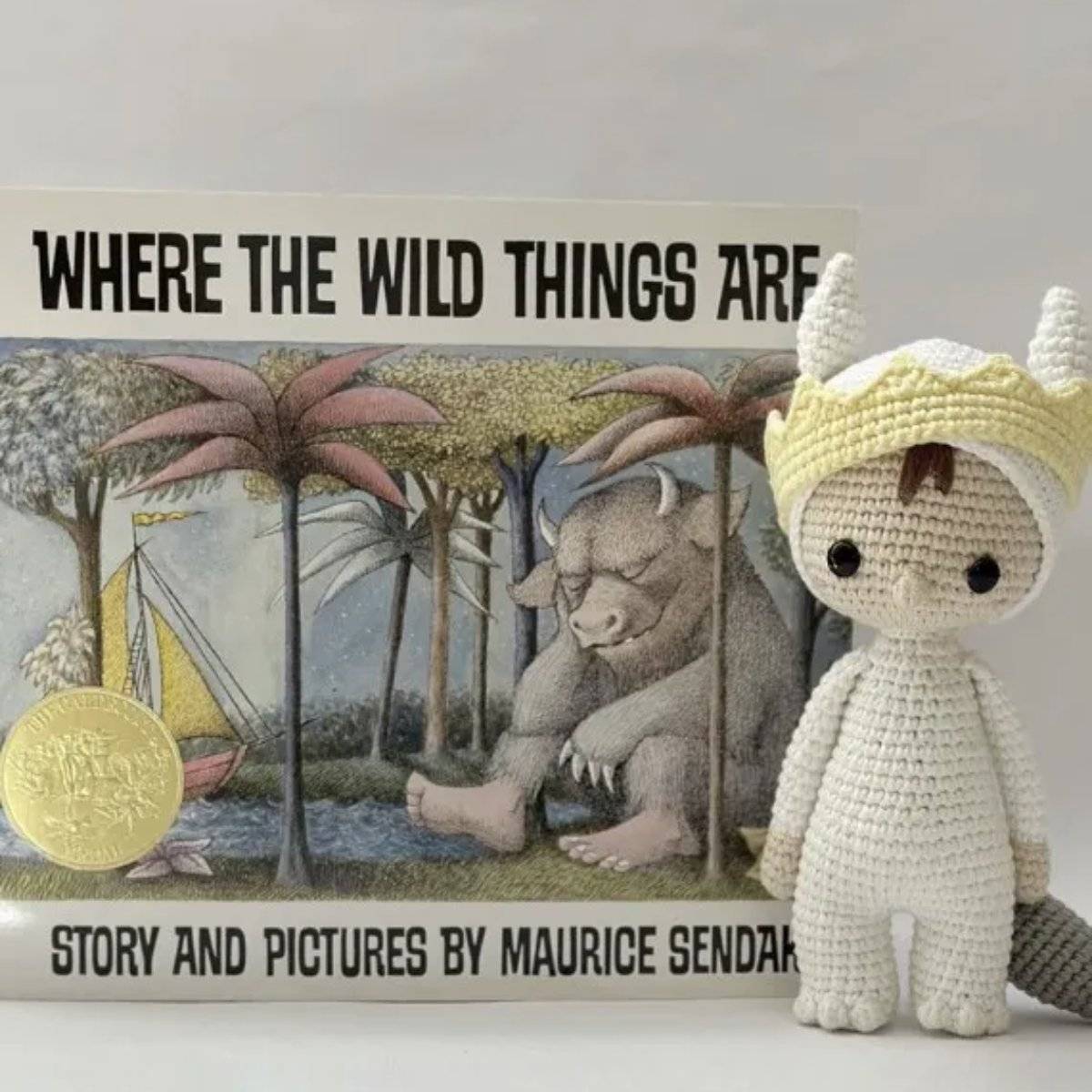
Book Riot has my number today. These literary inspired Amigurumi are too cute:
https://bookriot.com/literary-inspired-amigurumi-patterns/
#audiocrochet #crochetersoflitsy #crochetandread
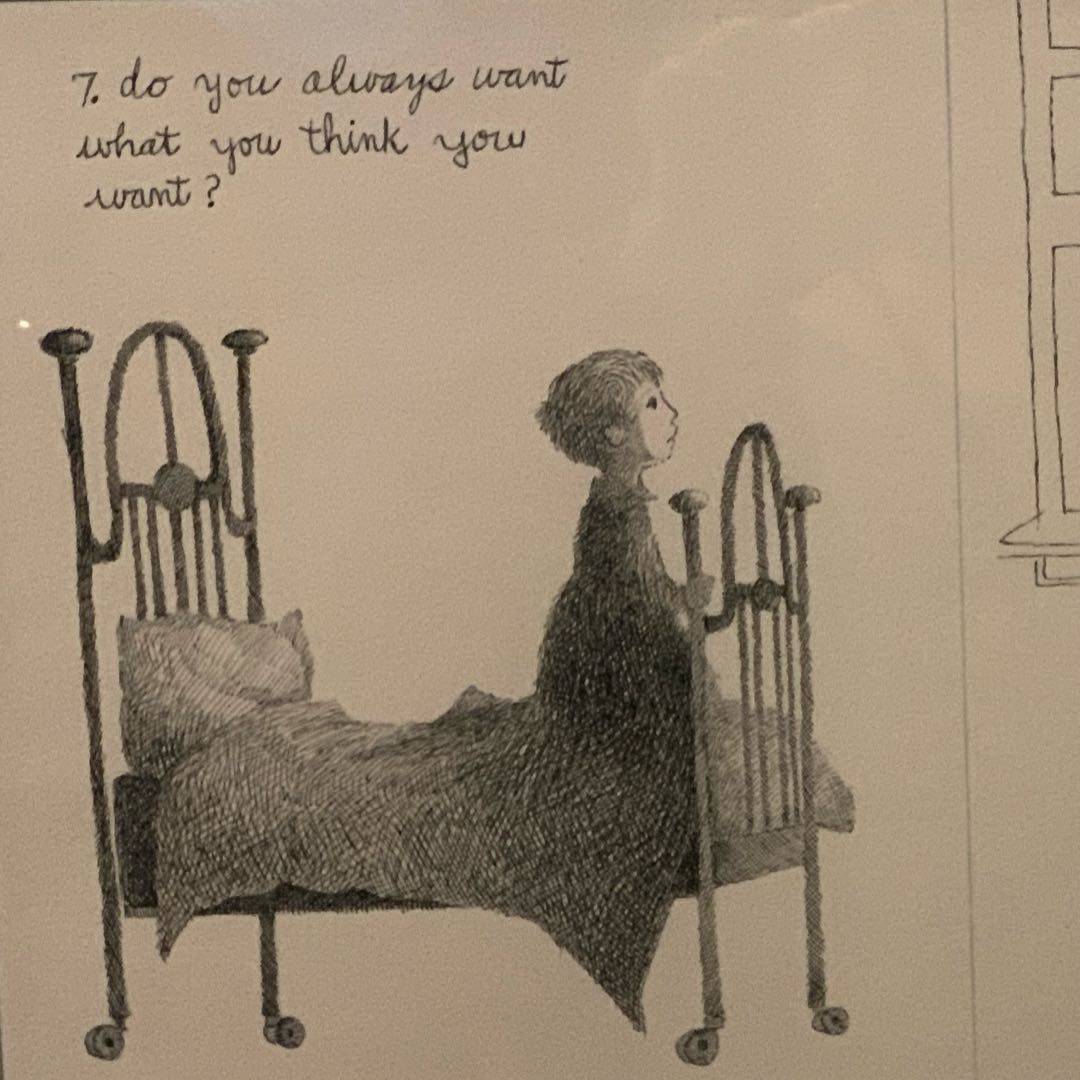
I went to an exhibit of Sendak's art at the Denver Art Museum yesterday, and I'm so glad I did! I was surprised and delighted by so much that I saw and learned about him. This little drawing was one of my favorite things I saw.💜
pickThe child did not feel as if he belonged but he found somewhere he did
This is a great story to read to children so that they understand there is nothing quite like the love you can get from family
pickIn this story you follow Max. Max is a young boy who is a terror at home and runs away ti the island of the Wild Things. The Wild Things take him in and make him their king but he eventually returns home to his mother because he realizes that she is his comfort and he does not want to be on his own.
I think this book is great when teaching about the themes of imagination in the longing for home . This book allows children to find comfort in their own feelings, and talks about the challenges of growing up and being independent, but also always finding your way back home
pickthis book tells a story of Max who dresses and his wolf suit and causes mischief at home and his journey of going into an imaginative land created by the “wild things”
"And grew until his ceiling hung with vines and the walls became the world all around"
This book is all about Max's imagination and the art work throughout is really interesting!
pickThis book is always a book that reminds me of my childhood.
“And Max, the king of all wild things, was lonely and wanted to be where someone loved him best of all.“
After reading Where the Wild Things Are, students can create their own “wild thing“ character. They‘ll design and draw their creature, then write a short story about an adventure they‘d go on as king or queen of the Wild Things.
pickWhen Max puts on his wolf suit and causes chaos, he's sent to bed without supper. But his imagination takes him on a wild adventure to an island of Wild Things, who make him their king! After a wild rumpus, Max smells something yummy from home and decides to return.
This book links to my teaching by exploring themes of emotions, imagination, and self-regulation, which can help students discuss feelings and creative problem-solving.
so-soThis book was published in 1963, and it has also won the Caldecott medal. The story follows a young boy named Max who, after being sent to his room as punishment, imagines himself traveling to a magical island inhabited by wild creatures. Through his adventures, Max becomes the king of the Wild Things but eventually returns home, realizing that love and comfort await him there.
“Let the wild rumpus start!“
It captures the joyous release of energy and wildness that children often crave, making it a celebration of uninhibited fun.
The scene where Max tames the Wild Things by staring into their eyes highlights the power of imagination and control over emotions.
pickThe book beautifully explores themes of anger, imagination, and the comforts of home, accompanied by stunning, dreamlike illustrations.


