


 The Man Who Walked Between the Towers |

“When I see three oranges, I juggle; when I see two towers, I walk!”


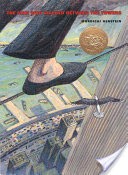


“When I see three oranges, I juggle; when I see two towers, I walk!”
I would use this book with most grade levels but would do with 2nd grade and up. I would use this book to teach about perseverance, creativity, and courage. It could encourage students to take more risks (not as extreme ones) and it also educates a little bit about 9/11.
 pick
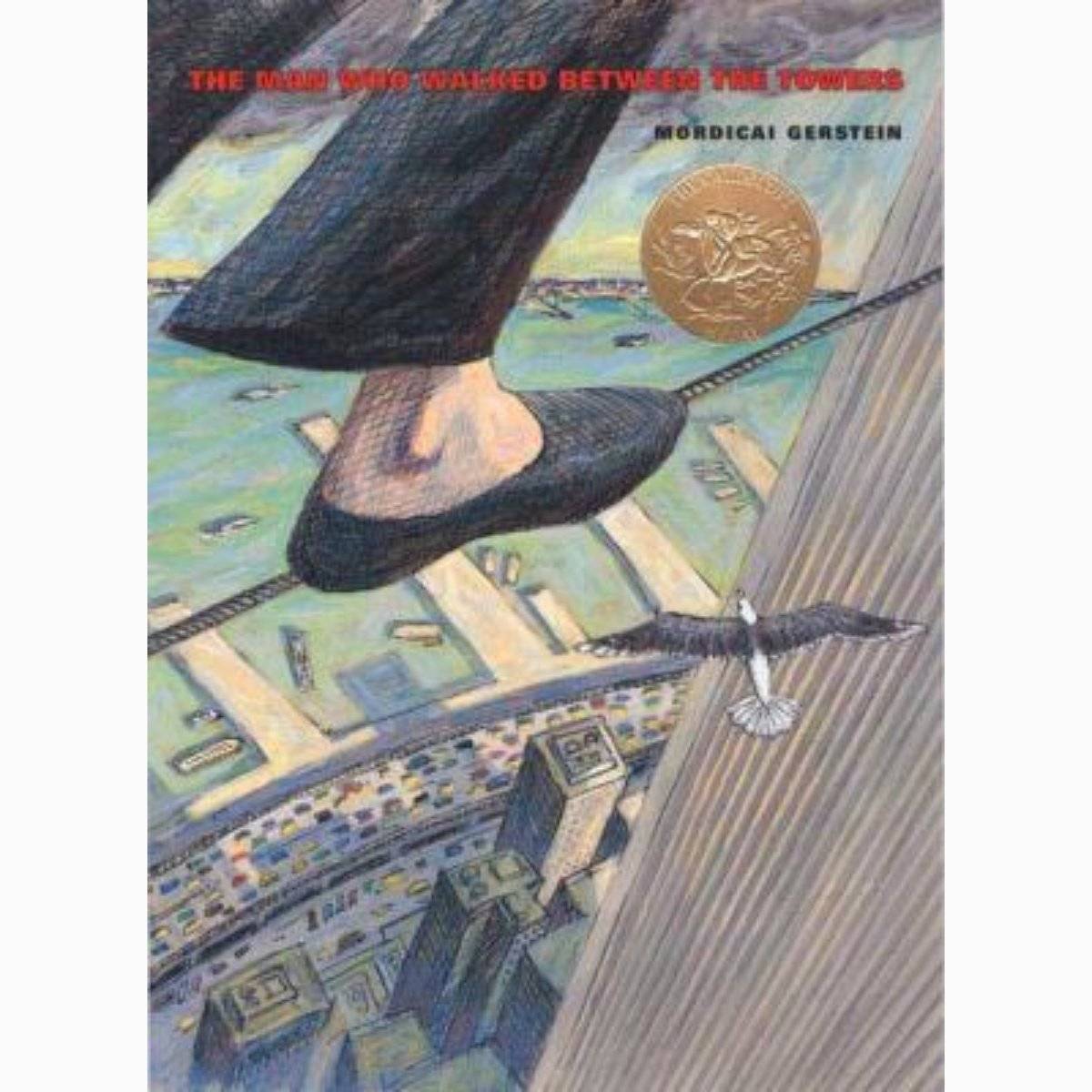
pickCaldecott Award Winner (2003) The Man Who Walked Between the Towers by Mordicai Gerstein tells the thrilling true story of Philippe Petit, who walked on a high wire between the Twin Towers in 1974. With poetic text and dramatic illustrations, the book captures courage, daring, and the magic of following one‘s passion. Inspiring for readers of all ages.
“Now the towers are gone. But in memory, as if imprinted on the sky, the towers are still there“
You could use it as a mentor text for discussing taking risks and following your passions. Students can talk about what it means to be brave or creative, and even try their own “safe risk-taking” projects.
After reading, explain that the Twin Towers were an important part of New York City and were tragically destroyed on 9/11. Emphasize remembrance and respect rather than graphic details.
The Man Who Walked Between the Towers is perfect for grades 2–4 because it teaches about courage, focus, and following your dreams. The story shows how Philippe Petit‘s determination helped him accomplish an amazing and risky feat. It encourages students to think about setting goals and overcoming fear.
“Walking a tightrope is living; everything else is waiting.”
 pick
pick“The Man Who Walked Between the Towers” (2003) by Mordicai Gerstein is a beautifully illustrated and compelling story that captures Philippe Petit‘s daring high-wire walk between the Twin Towers in 1974. The book combines stunning visuals with poetic text, making the suspense and awe of his feat palpable for readers of all ages. It‘s a celebration of courage, creativity, and the human spirit.”
The Man who Walked Between the Towers makes a compelling bridge between history, biography, and art. This is ideal for lessons on bravery, creative risk-taking, and the interplay between text and illustration. It also serves as a thoughtful entry point for discussions about the Twin Towers, inspiring units on the power of focus, pursuing dreams, and how art can honor memory and legacy
pickThe Man Who Walked Between the Towers (2003) is a picturebook that tells the true story of Philippe Petit‘s daring tightrope walk between the Twin Towers in 1974. The theme of bravery and determination is shown and the artwork truly captures what the text is stating.
I will use this book to talk about social studies and history within my classroom.
This story is a great tale about the man who walked between the twin towers in New York City. His true acts of bravery, courage, and adventure inspires students to take risks because if they never try, they will never know how far they can go.
 so-so
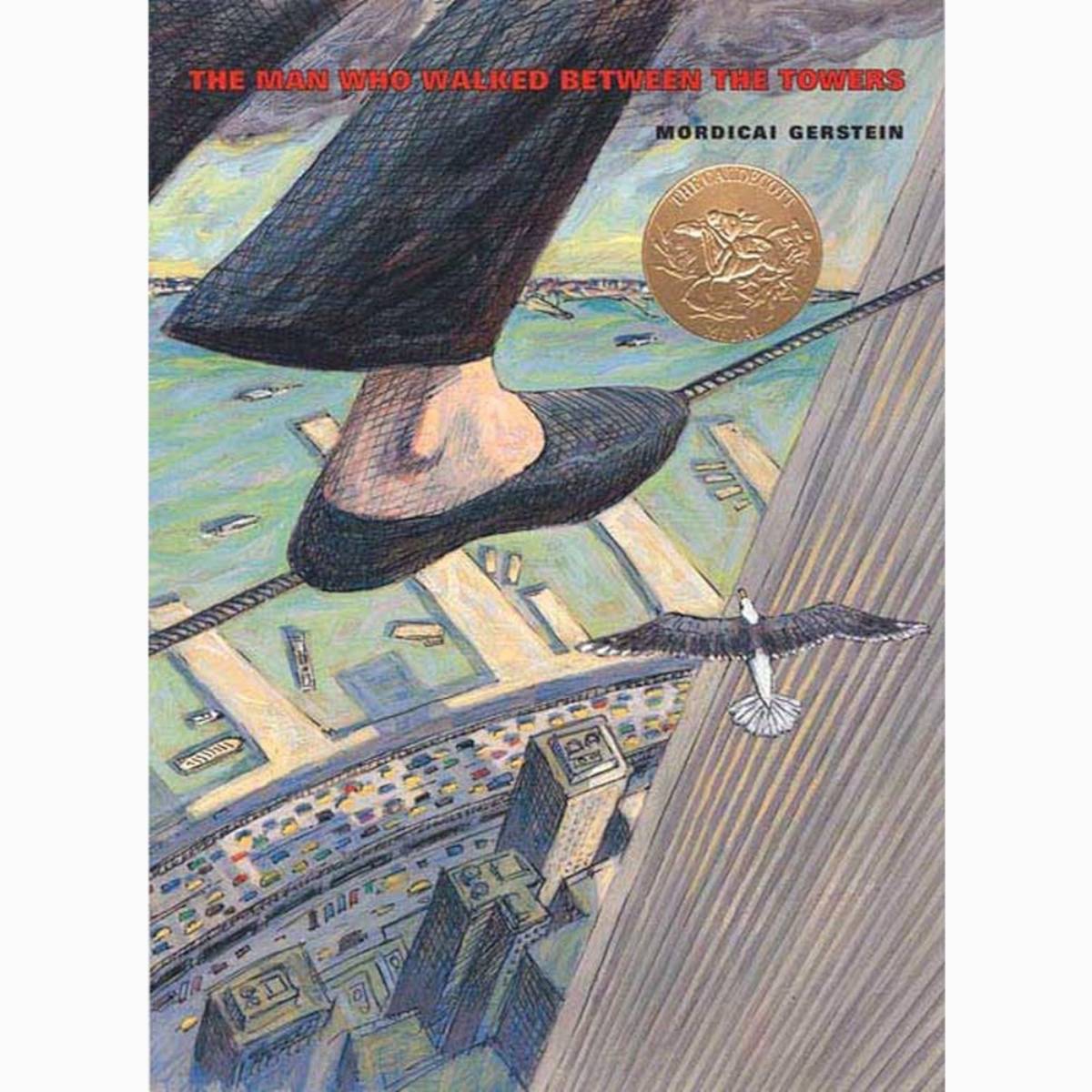
so-soThe Man Who Walked Between the Towers by Mordicai Gerstein is a Caldecott winner, published in 2003. It's a poetic and visually thrilling picture book that chronicles the real-life daring feat of Philippe Petit‘s tightrope walk between the Twin Towers in 1974. Gerstein's expressive illustrations and immersive storytelling evoke both the awe of the moment and the emotional resonance of architectural grandeur.
“When I see three oranges, I juggle; when I see two towers, I walk“
so-soThe Man Who Walked Between the Towers tells the true story of Philippe Petit, who walked on a tightrope between the Twin Towers in New York City. The pictures show how high his walk was on the tightrope. This is a so-so for me because the idea of it freaked me out.
I would use this book to encourage elementary students to think about a goal they have for themselves and come up with various strategies they could use to accomplish that goal. This book also encourage students to pursue their passions and never give up.
pickThis beautifully illustrated book tells the true story of Philippe Petit‘s daring walk between the Twin Towers. It captures wonder, courage, and artistry while honoring the towers‘ memory. An inspiring and breathtaking story for children and adults alike.
Genre: Caldecott Medal winner
“He felt alone and happy and absolutely free“.
I could use this book to spark lessons about courage, imagination, and history. Children can discuss dreams that seem impossible and “too big“ and how determination makes them real. You could do art projects like drawing city skylines or creating balance challenges, connecting the story to creativity, risk-taking, and respecting important places in history.
pickThe Man Who Walked Between the Towers by Mordicai Gerstein, winner of the 2004 Caldecott Medal, tells the breathtaking true story of Philippe Petit‘s daring walk between the Twin Towers. With lyrical text and stunning illustrations, it captures courage, artistry, and a powerful moment in history.
“If he saw three balls, he had to juggle. If he saw two towers, he had to walk!“
I would use this book to emphasize courage in everyday life.
The Man Who Walked Between the Towers can be used in an early childhood classroom to spark discussions about bravery and setting goals. Teachers can use it to explore real-life people and historical events in a way young children can understand.
pickGenre: Caldecott winner
Publication year: 2003
The Man Who Walked Between the Towers tells the true story of Philippe Petit, who secretly walked on a tightrope between New York City‘s Twin Towers in 1974. The authors words and illustrations capture both the danger and beauty of this daring act. The pictures stretch tall across the page, making readers feel the height and risk.
“For a moment, the sky belonged to him alone.”
so-soThe Man Who Walked Between the Towers was a good book, though not my favorite. I liked learning about the daring walk and thought the illustrations were strong. It was interesting, even if it didn‘t completely hold my attention the whole time.
This book gives children a sense of wonder and courage, while also honoring the memory of the towers. In the classroom, it can spark conversations about bravery, dreams, and the importance of perspective.
pickCadecolt winner: 2003
The Man Who Walked Between the Towers tells the true story of Philippe Petit, who daringly walked on a tightrope between the Twin Towers in 1974. Mordicai Gerstein‘s writing is simple yet dramatic, and the illustrations capture both the height and the breathtaking beauty of the moment.
pickCaldecott Honor Book
Published in 2003
The Man Who Walked Between the Towers by Mordicai Gerstein tells the true story of Philippe Petit, who walked on a tightrope between the Twin Towers in 1974. The story is exciting and full of suspense. The illustrations and fold-out pages help readers feel the height and thrill of his walk. The book also honors the Twin Towers, making it both fun and meaningful.
“The towers are gone now, and so is the tightrope, but in memory, as if imprinted on the sky, the path remains.“
“The towers are gone now, but the story of this walk remains.”
This book would be a great read aloud during the week of September 11th. It is a great way to honor and remember the towers as well as learn true history about them. It also could lead to conversations about courage, risks, dreams, and goals.
This book can teach children about having dreams and being ambitious. I would use this book in a middle/upper elementary classroom.
 pick
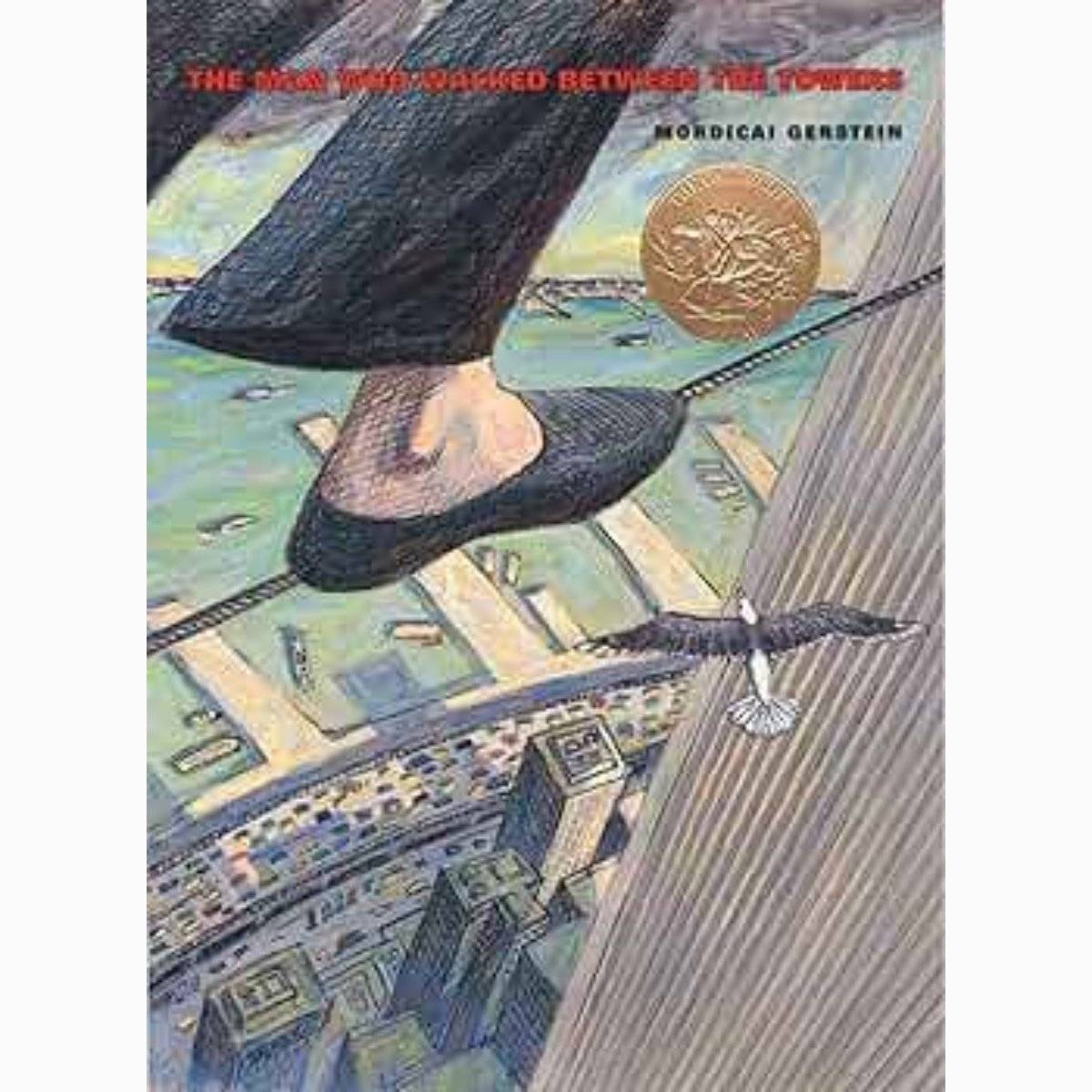
pickThe Man Who Walked Between the Towers (2003), by Mordicai Gerstein, is a Caldecott Medal-winning book that tells the true story of Philippe Petit‘s daring 1974 tightrope walk between the Twin Towers. With lyrical text and dramatic illustrations, it captures the awe and bravery of the act while honoring the memory of the towers. A moving, unforgettable tribute.
pickThis book falls under the genre of a Caldecott Award winner and was published in 2003. It is the true story of Philippe Petit, a man who walked on a tightrope between the Twin Towers in New York City in 1974. He amazed the people watching from the streets below with his creativity and courage. This book shows the extent to which Petit would go to follow his dreams. The story also honors the towers, reminding us of their importance.
“It was astonishing. It was terrifying and beautiful.“
“The towers are gone now, but in memory, Philippe‘s walk will live on.”
I would use this in grades 3–5 to teach perspective in art and writing (visual angles, point of view in storytelling). It‘s also a great tie-in to history/social studies about New York City, or to discuss how art can help us remember important places and events. Students could create their own “daring dream” projects, drawing or writing about something brave they‘d like to try.
This piece could be used in a historical context when discussing the history of the Twin Towers. Additionally though, this story could act as a lesson in bravery and perseverance as students follow Philippe's goal to accomplish his dream of walking between the Twin Towers.


